


2025

Does the mantis shrimp pack a phononic shield?
Science 387(6734): 659-666 (2025)
This paper uses transient grating spectroscopy and picosecond laser ultrasonics, along with simulations, to show that the mantis shrimp’s dactyl club exhibits phononic features (Bloch harmonics, flat dispersion branches, ultraslow modes, and wide Bragg bandgaps in the lower megahertz range) that filter harmful high-frequency stress waves from cavitation bubble collapse, providing effective protection during strikes.
2024
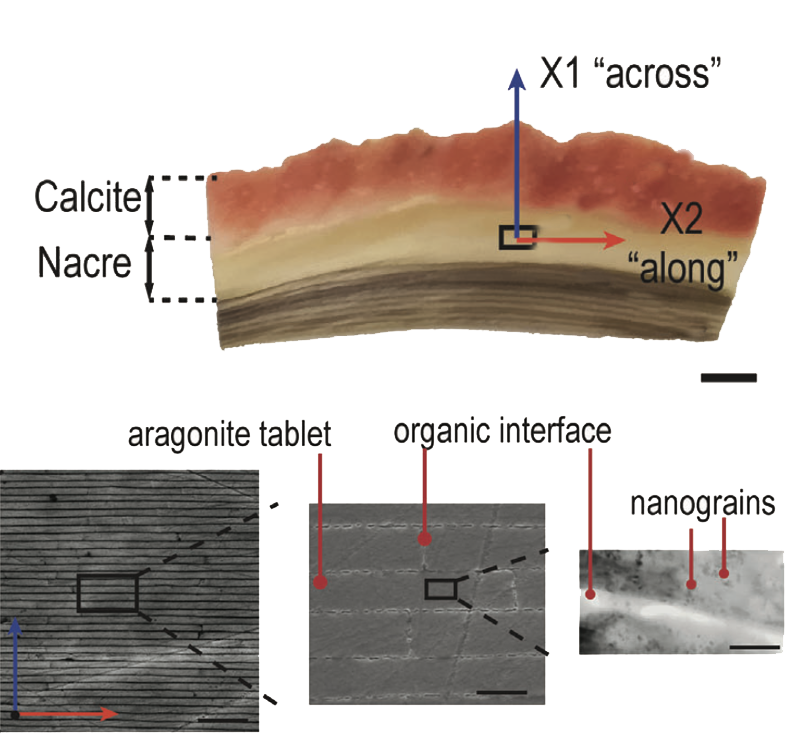
Characterization of the Phononic Landscape of Natural Nacre from Abalone Shells
Small 21(2): 2407959 (2024)
This paper characterizes the phononic behavior of natural Nacre using non-contact pump-probe laser ultrasonics and Brillouin spectroscopy, showing that at wavelengths longer than its brick-and-mortar microstructure it behaves as a dispersionless, transversely isotropic medium, while at wavelengths comparable to this periodicity a complex phononic spectrum emerges.
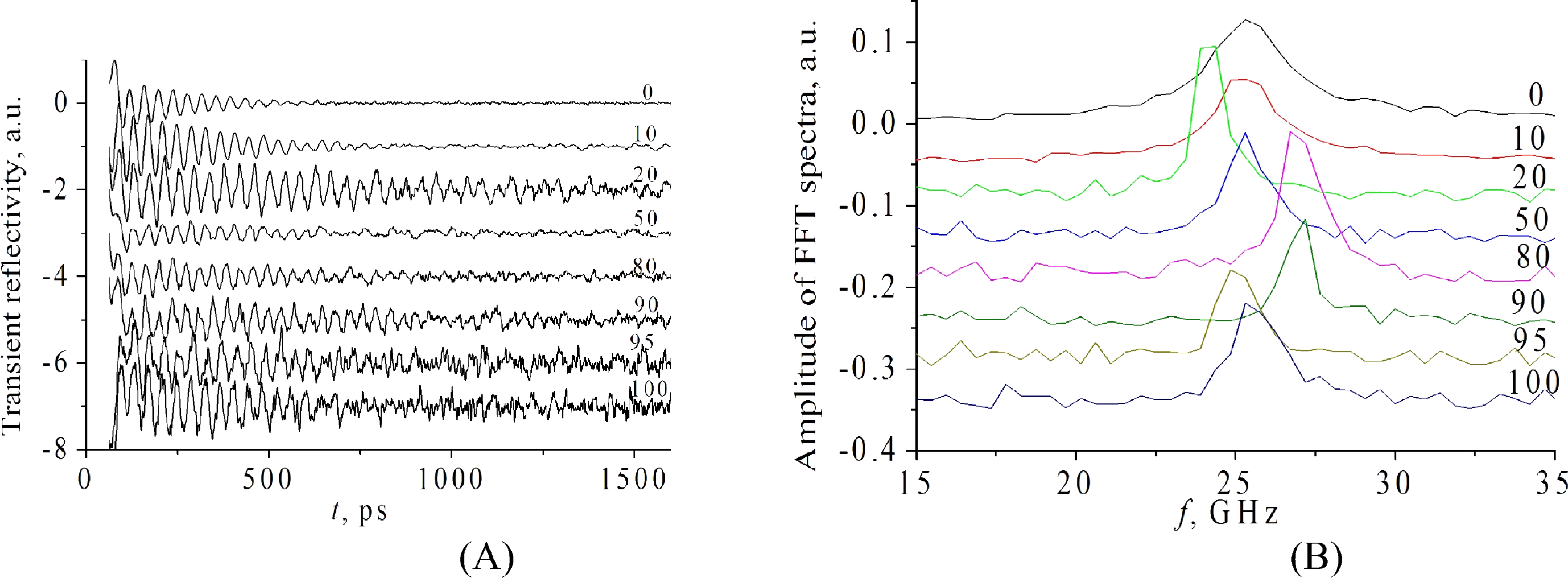
Evaluation of the sound velocities of cadmium zinc telluride crystals by time-domain Brillouin scattering technique
Applied Physics A 130(10): 732 (2024)
This paper applies picosecond laser ultrasonics to map the polycrystalline structure of (Cdx Zn1-x Te), measuring longitudinal sound velocities as a function of Zn concentration in a non-destructive, contactless manner, and comparing results with theoretical predictions.
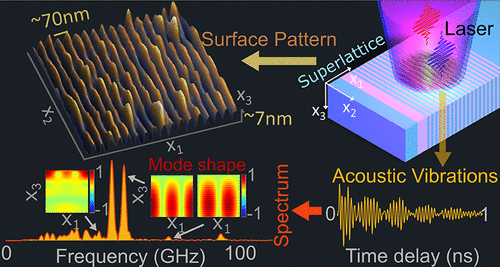
Optically Controlled Nano-Transducers Based on Cleaved Superlattices for Monitoring Gigahertz Surface Acoustic Vibrations
ACS Nano 18(13): 9331-9343 (2024)
This paper demonstrates that cleaved superlattices of (Alx Ga1-x As)/(Aly Ga1-y As) can serve as optically controlled nanotransducers to generate and detect coherent surface and bulk acoustic waves between 40–70 GHz, offering a pathway toward sub-THz coherent nanoacoustics beyond the limits of conventional IDTs and nanopatterned transducers.
2023
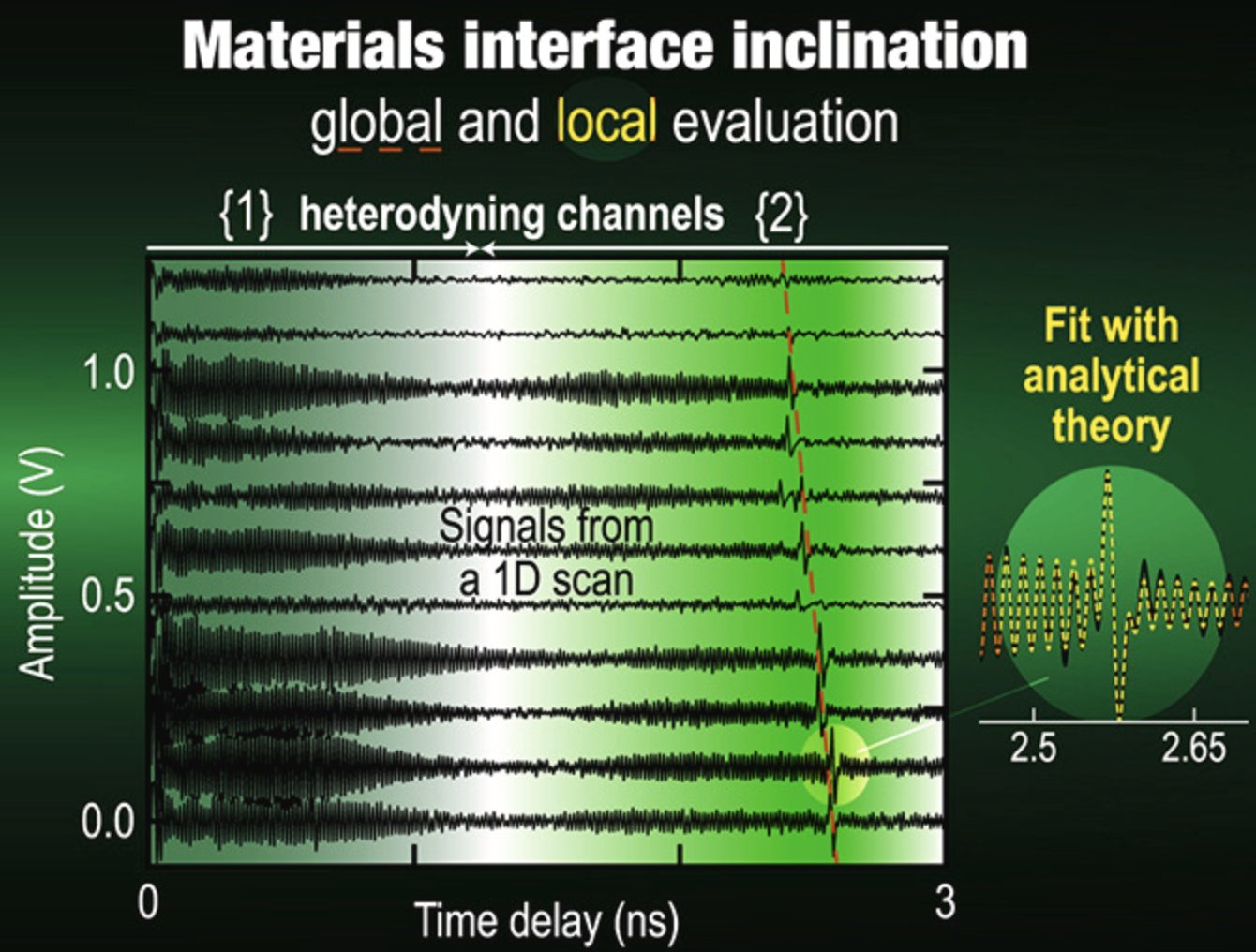
Time-domain Brillouin scattering for evaluation of materials interface inclination: Application to photoacoustic imaging of crystal destruction upon non-hydrostatic compression
Photoacoustics 33: 100547 (2023)
This paper applies time-domain Brillouin scattering to monitor the destruction of a lithium niobate single crystal under non-hydrostatic compression, showing that 3D TDBS can locally evaluate thickness variations and interface inclinations from single-point measurements, without requiring profilometry.
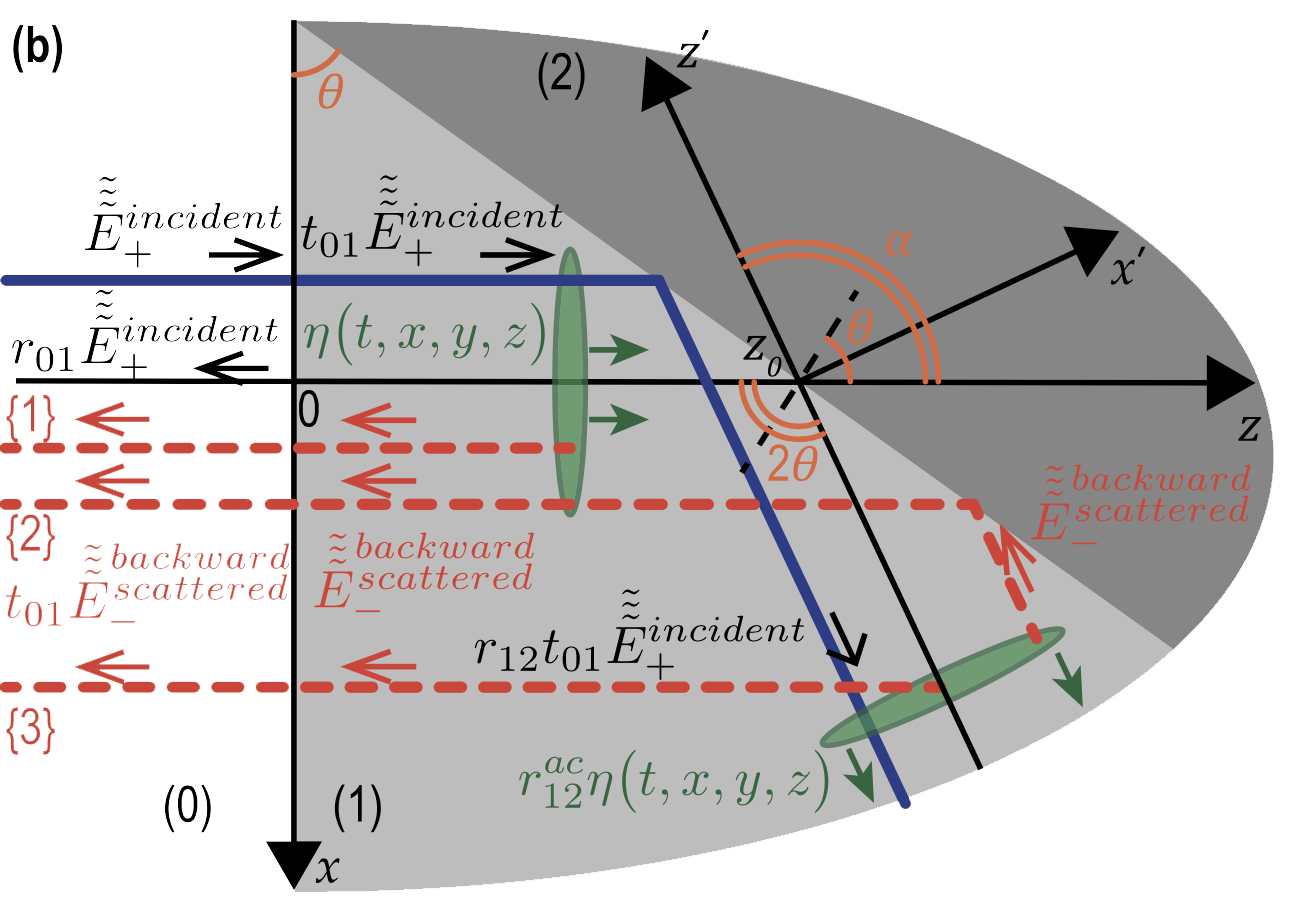
Time-domain Brillouin scattering theory for probe light and acoustic beams propagating at an angle and acousto-optic interaction at material interfaces
Photoacoustics 33: 100563 (2023)
This paper develops a theory for time-domain Brillouin scattering with angled coherent acoustic and light pulses, predicting how beam geometry and CAP properties affect transient reflectivity signals and showing that single-point TDBS can reveal both depth and local orientation of buried interfaces.
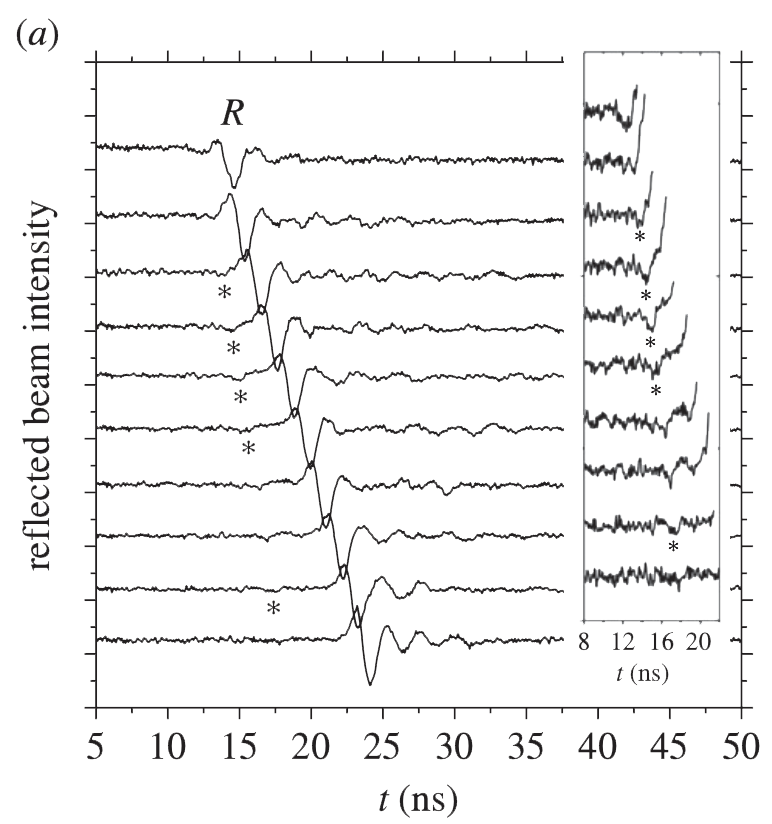
Elastic moduli and refractive index of γ-Ge3N4
Philosophical Transactions of the Royal Society A: Mathematical, Physical and Engineering Sciences 381(2258): 20230016 (2023)
This paper investigates the elasticity of polycrystalline γ-Ge3N4 using laser ultrasonics and Brillouin light scattering, obtaining bulk and shear moduli (B0 = 322 GPa, G0 = 188 GPa) that largely agree with first-principles calculations, and determines its visible-range refractive index (n = 2.4) accounting for porosity and elastic anisotropy.
2022
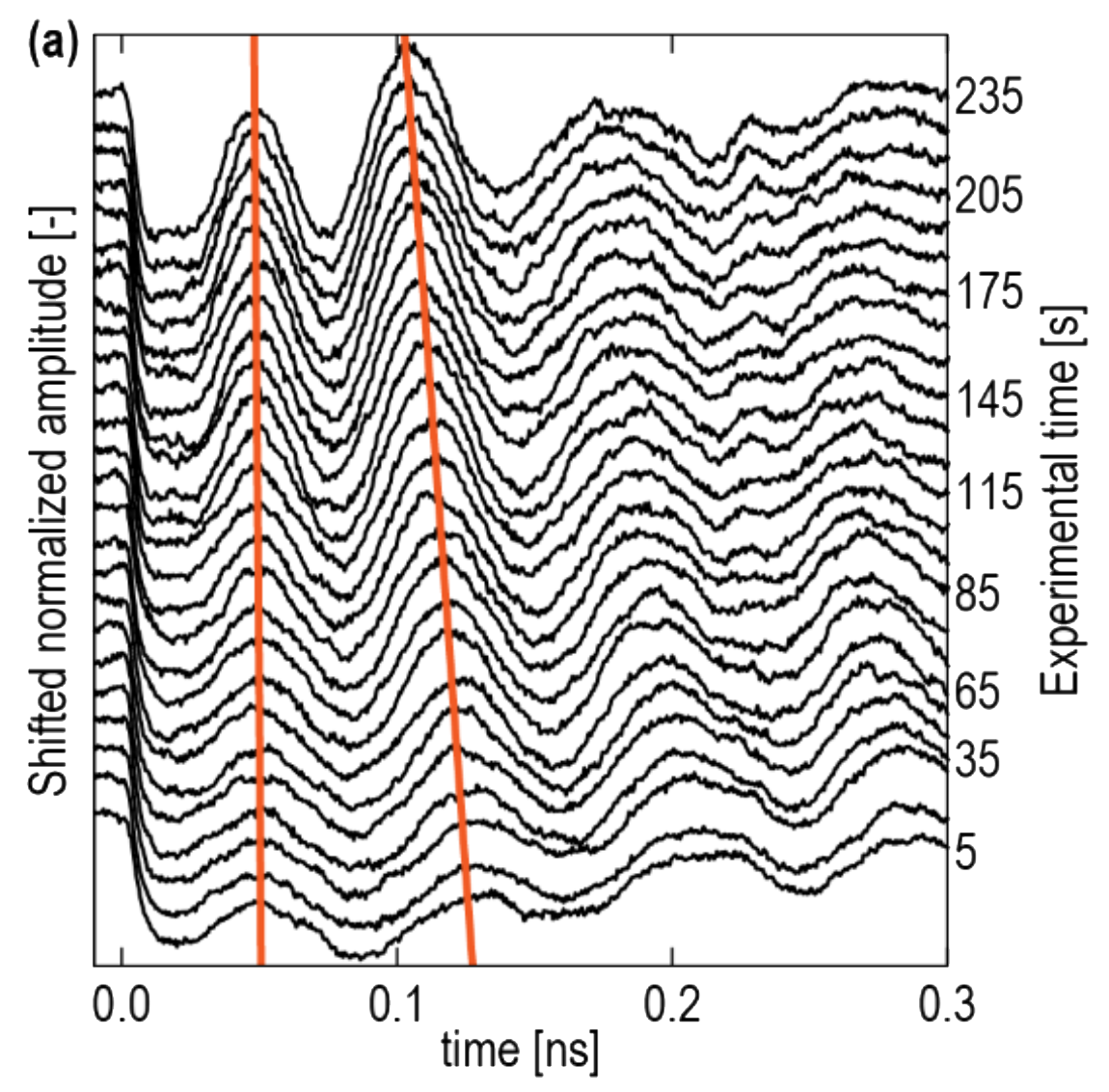
In-Situ Imaging of a Light-Induced Modification Process in Organo-Silica Films via Time-Domain Brillouin Scattering
Nanomaterials 12(9): 1600 (2022)
This paper uses time-domain Brillouin scattering to reveal light-induced, nanometer-scale modifications in porogen-based organosilicate glass films, linked to carbon residue removal and Si–CH3 bond breaking—demonstrating potential for localized surface functionalization in area-selective atomic layer deposition.
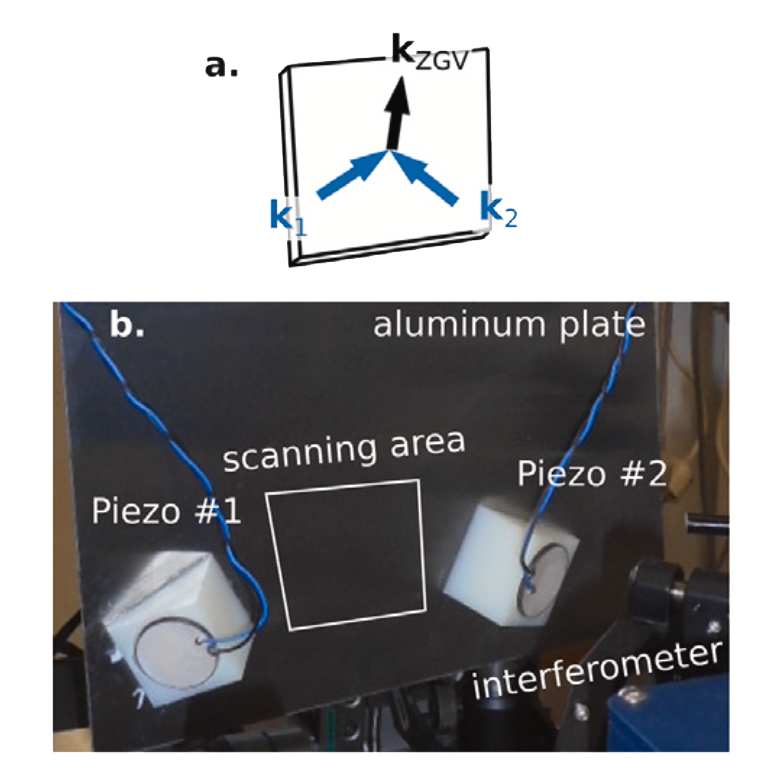
Nonlinear generation of a zero group velocity mode in an elastic plate by non-collinear mixing
Ultrasonics 119: 106589 (2022)
This paper demonstrates theoretically and experimentally that zero-group velocity (ZGV) Lamb modes can be generated via sum-frequency interaction of two high-amplitude primary waves, serving as a sensitive local probe of material nonlinearity and producing detectable effects at very low input power in weakly nonlinear aluminum plates.
2021
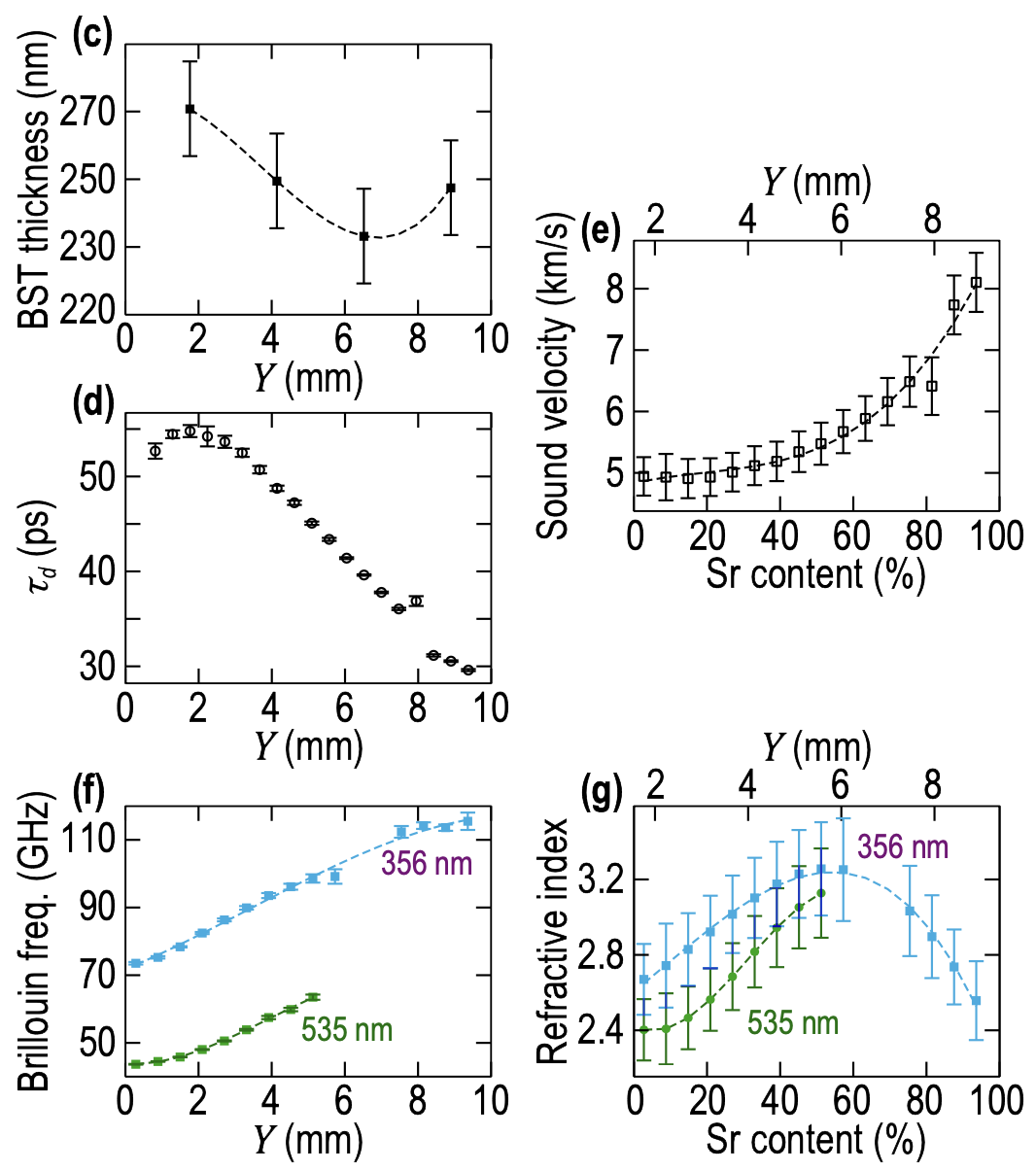
Evaluation of Optical and Acoustical Properties of Ba1−xSrxTiO3 Thin Film Material Library via Conjugation of Picosecond Laser Ultrasonics with X-ray Diffraction, Energy Dispersive Spectroscopy, Electron Probe Micro Analysis, Scanning Electron and Atomic Force Microscopies
Nanomaterials 11(11): 3131 (2021)
This paper demonstrates the first use of picosecond laser ultrasonics to non-destructively evaluate acoustical and optical properties of a lateral compositionally graded film, the (Ba1-x Srx TiO3) material library, showing the technique robustness despite thickness and roughness variations and providing key parameters for designing advanced multifunctional nanodevices.
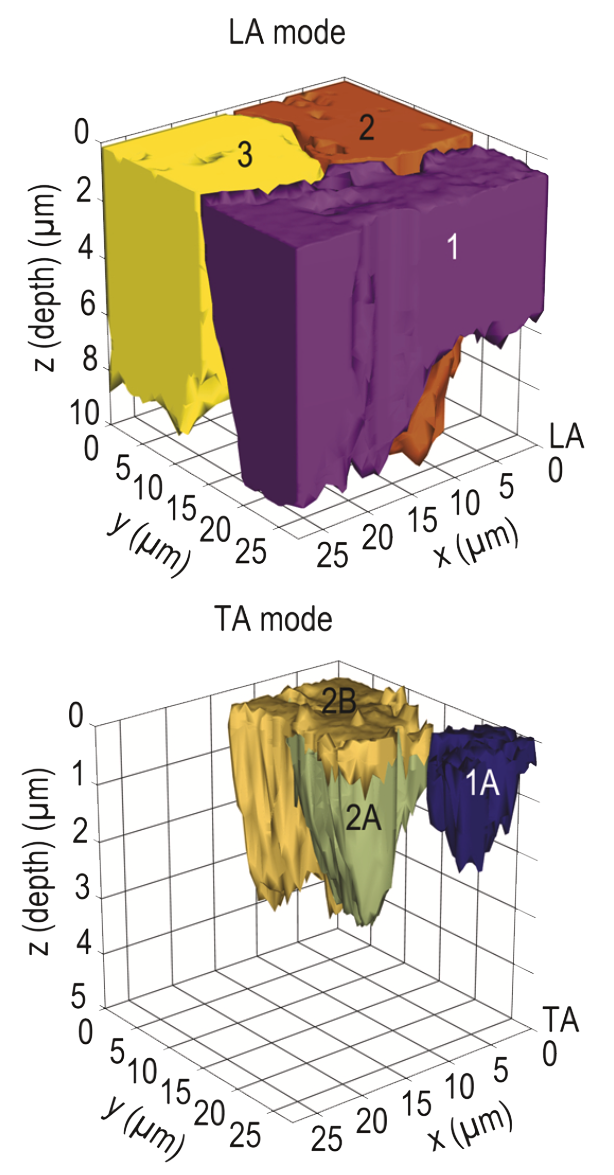
Photoacoustic 3-D imaging of polycrystalline microstructure improved with transverse acoustic waves
Photoacoustics 23: 100286 (2021)
This paper demonstrates sub-micrometer 3D imaging of polycrystalline ceria grain microstructure using time-domain Brillouin scattering, with transverse acoustic waves enhancing boundary detection and allowing identification and inclination measurement of buried interfaces.
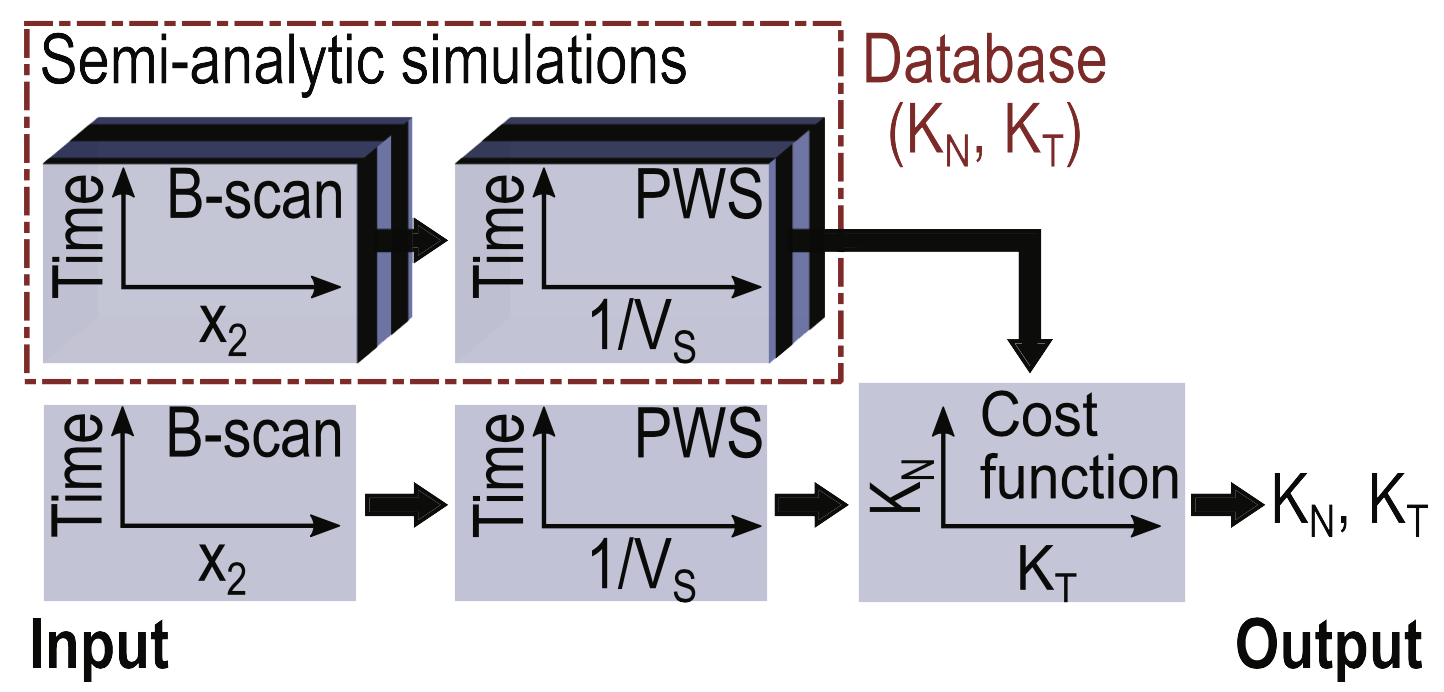
Laser ultrasonics in a multilayer structure: Plane wave synthesis and inverse problem for nondestructive evaluation of adhesive bondings
The Journal of the Acoustical Society of America 150(3): 2076-2087 (2021)
This paper presents a laser-ultrasonic method for nondestructive evaluation of bonded assemblies, using synthesized plane waves and an inverse problem to determine normal and transverse interfacial stiffnesses, validated on simulated and experimental aluminum–epoxy samples to quantitatively characterize bond quality.
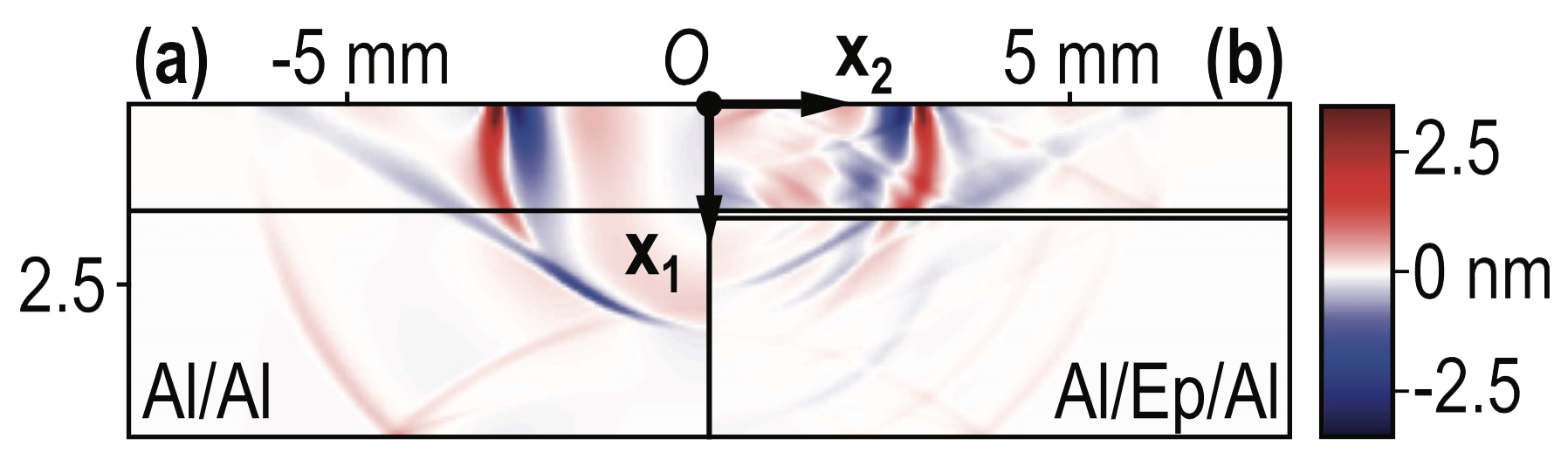
Laser ultrasonics in a multilayer structure: Semi-analytic model and simulated examples
The Journal of the Acoustical Society of America 150(3): 2065-2075 (2021)
This paper introduces a semi-analytic multilayer model that sequentially solves the electromagnetic, thermal, and elastodynamic fields involved in laser-generated ultrasound, accounting for optical penetration, heat transport, and interlayer couplings, to efficiently simulate ultrasound generation in complex bonded structures for nondestructive evaluation applications.
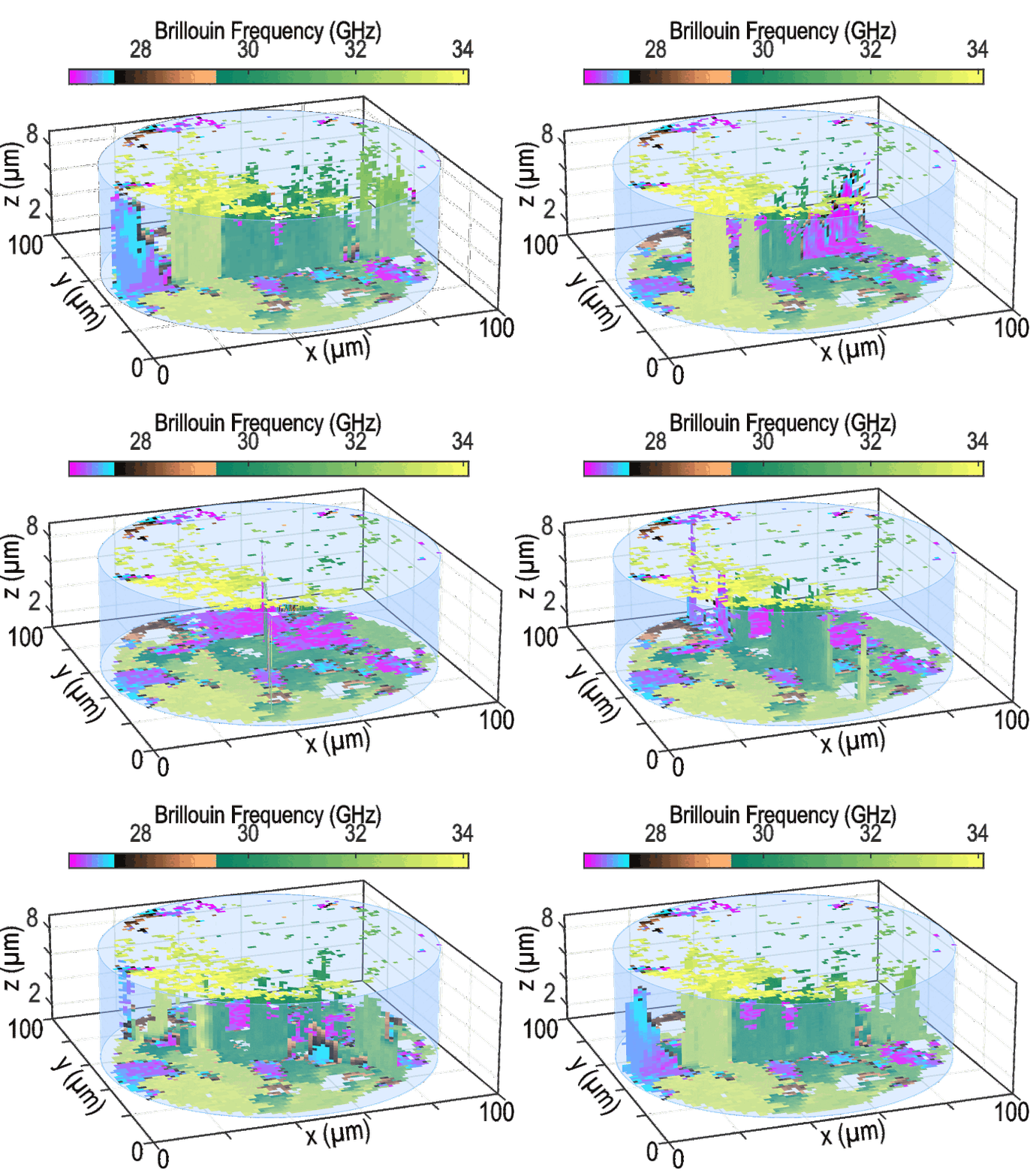
3D characterization of individual grains of coexisting high-pressure H2O ice phases by time-domain Brillouin scattering
Journal of Applied Physics 130(5): 053104 (2021)
This paper shows that time-domain Brillouin scattering enables high-resolution 3D imaging of polycrystalline high-pressure ice in determining grain shape, location, phase, and crystallographic orientation from quasi-longitudinal and quasi-shear coherent acoustic pulse measurements, while simultaneous pulse monitoring across neighboring grains provides a new tool for grain-boundary localization.
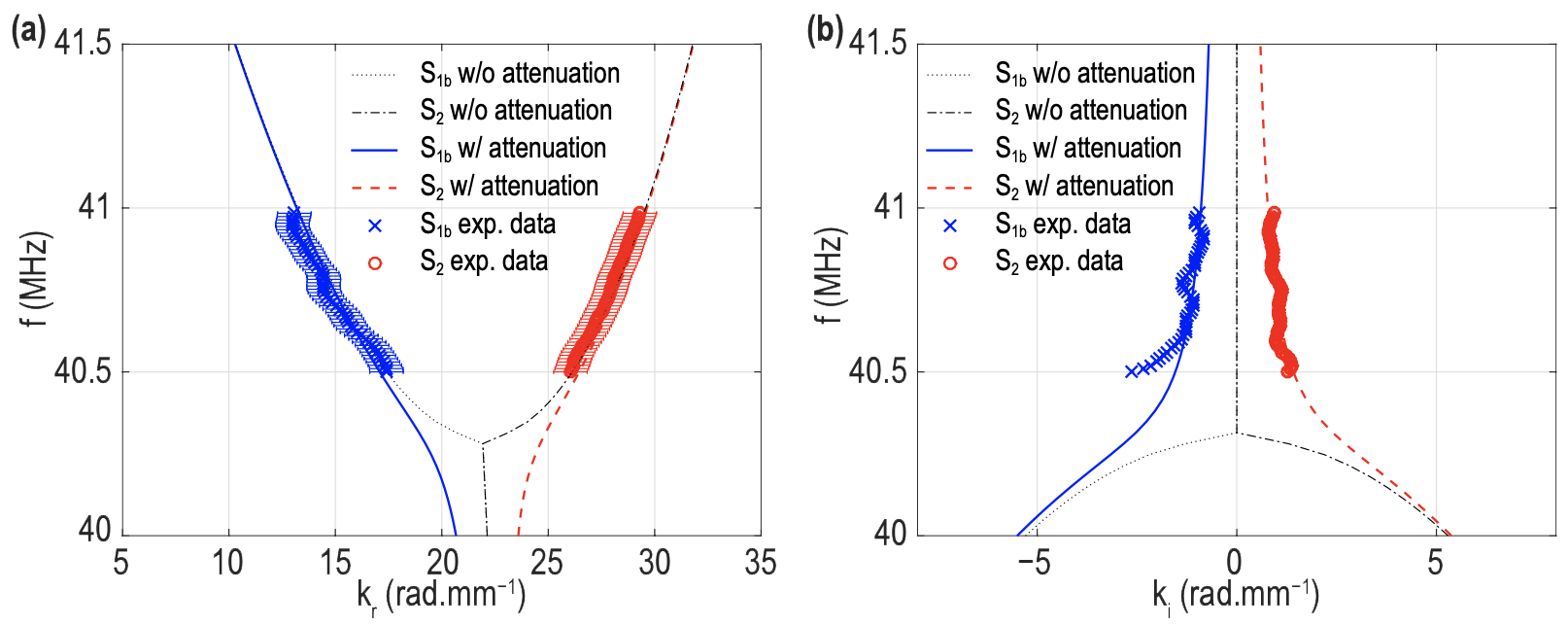
Estimation via Laser Ultrasonics of the Ultrasonic Attenuation in a Polycrystalline Aluminum Thin Plate Using Complex Wavenumber Recovery in the Vicinity of a Zero-Group-Velocity Lamb Mode
Applied Sciences 11(15): 6924 (2021)
This paper presents a spatial-Laplace-transform (SLaTCoW) method applied to laser ultrasonic measurements of zero-group velocity (ZGV) Lamb modes to extract complex wavenumber dispersion and ultrasonic attenuation in thin polycrystalline aluminum, with results validated against literature and quality-factor estimates from single temporal traces.
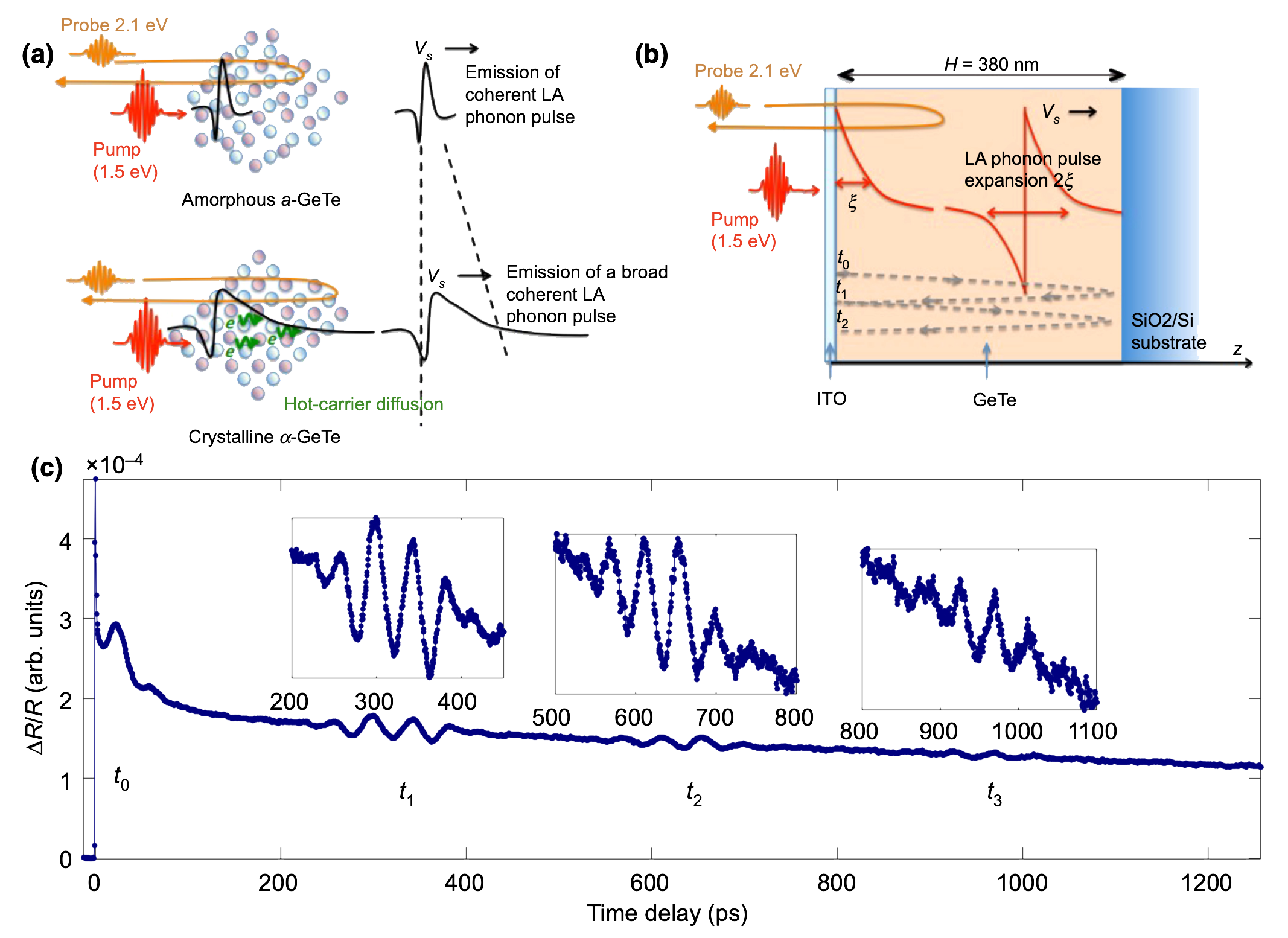
Nonthermal Transport of Energy Driven by Photoexcited Carriers in Switchable Solid States of GeTe
Physical Review Applied 16(1): 014055 (2021)
This paper uses picosecond acoustic methods to study GeTe, revealing that during amorphous-to-crystalline phase transformation, electron-phonon coupling evolves and photoexcited energy transport becomes nonthermal and supersonic in the crystalline state, contrasting with localized behavior in the amorphous state.
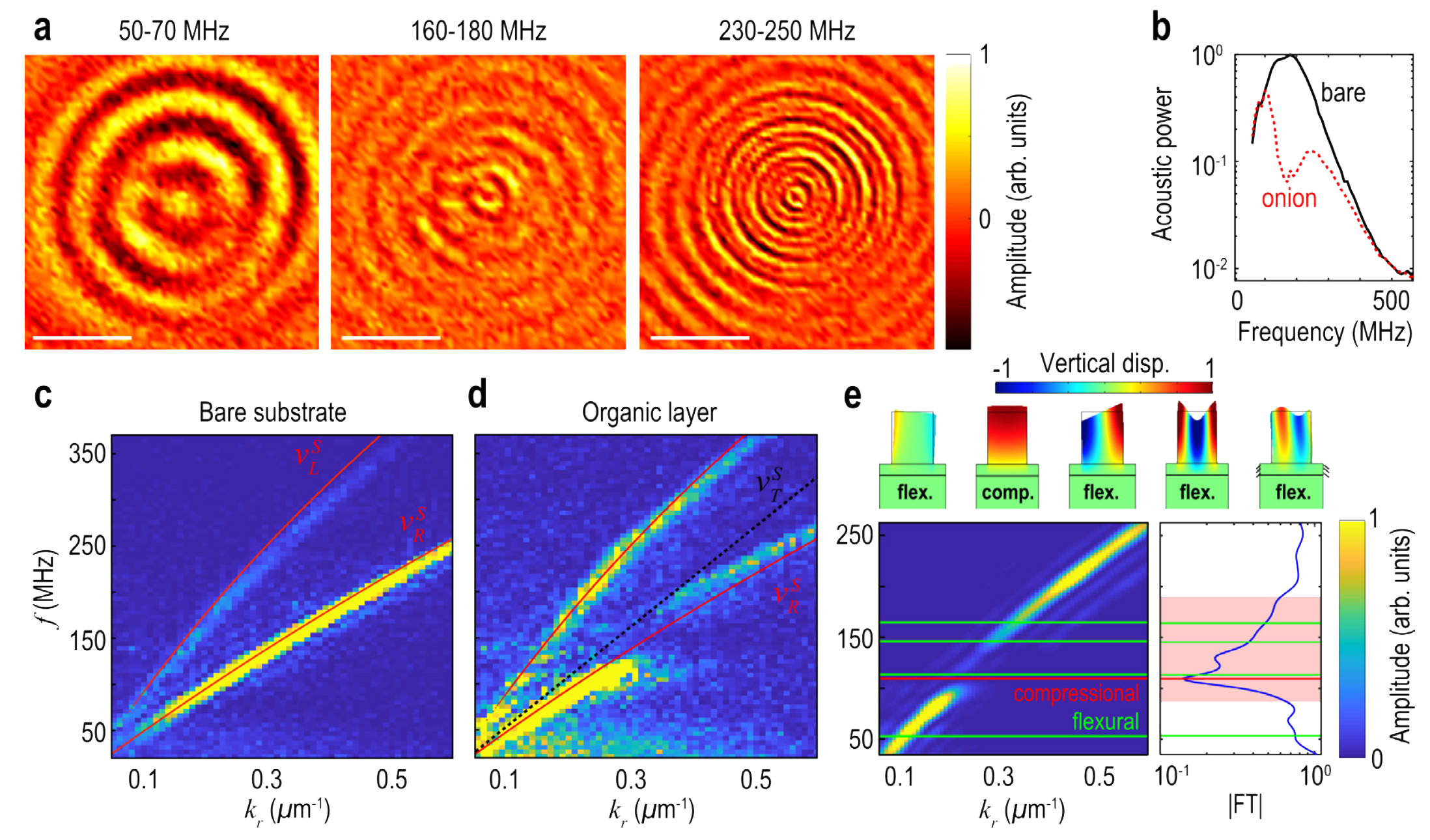
Growing phenotype-controlled phononic materials from plant cells scaffolds
Applied Materials Today 22: 100934 (2021)
This paper demonstrates that decellularized onion cell scaffolds act as organic phononic materials with tunable band gaps, revealing the first phononic properties of biological composites and suggesting potential for sustainable, genetically tailorable phononic devices.
2020
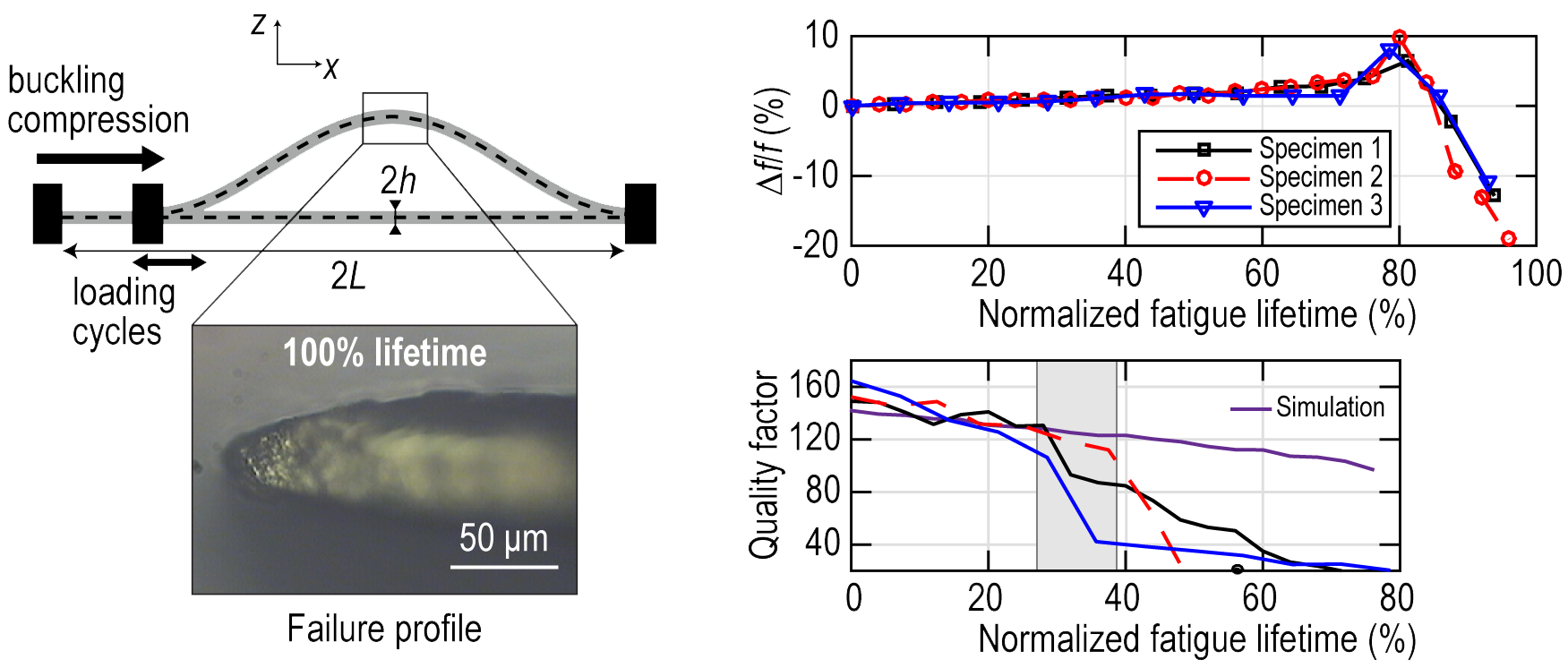
Cumulative fatigue damage in thin aluminum films evaluated non-destructively with lasers via zero-group-velocity Lamb modes
NDT & E International 116: 102323 (2020)
This paper demonstrates non-contact evaluation of cumulative fatigue in 75 µm aluminum plates using the first symmetric zero-group velocity (ZGV) Lamb mode, combining experiments, empirical modeling, and finite-element simulations to predict fatigue lifetime and assess damage stages, while highlighting early-stage deviations in resonance quality factor for future model improvement.
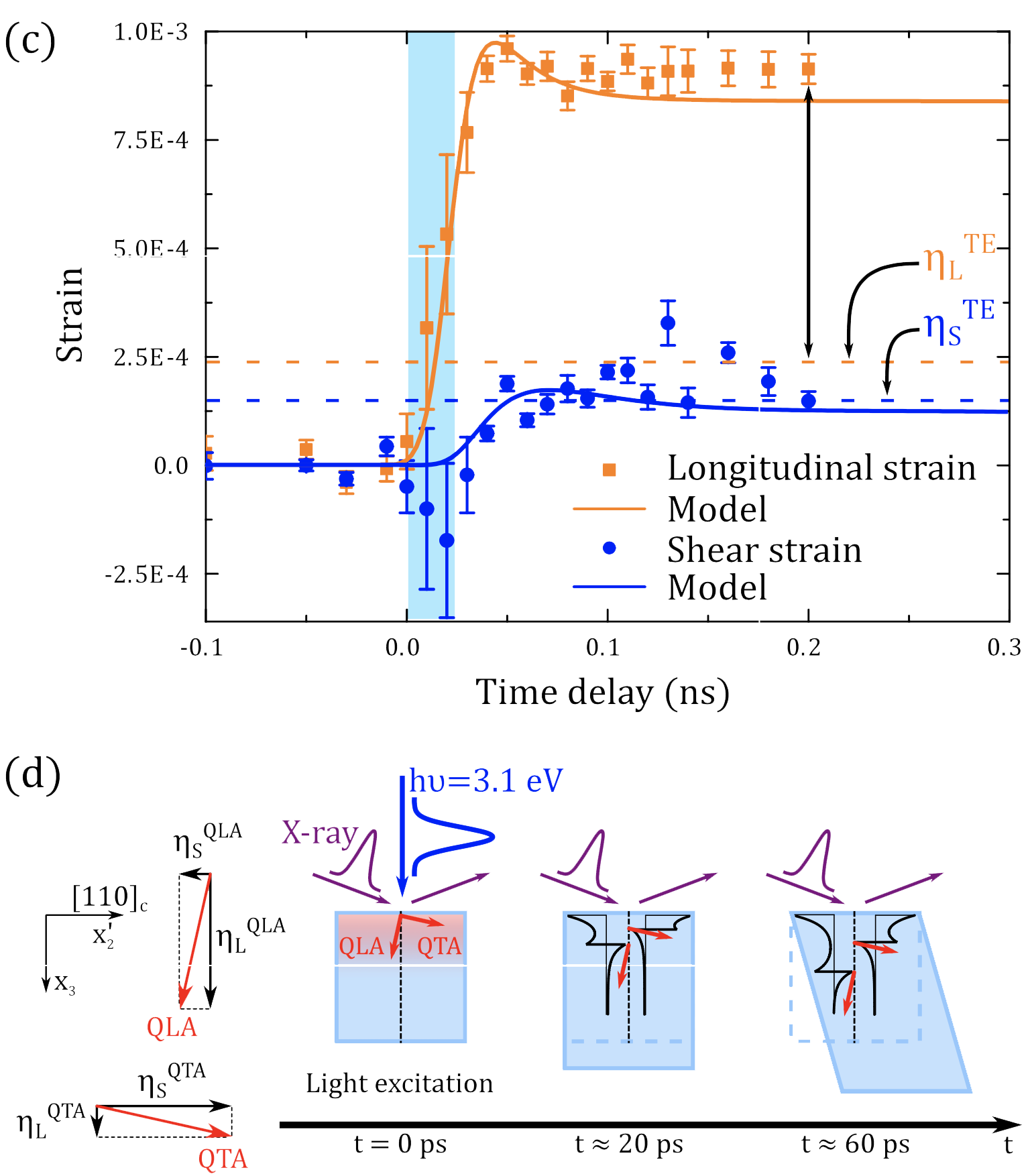
Ultrafast light-induced shear strain probed by time-resolved x-ray diffraction: Multiferroic BiFeO3 as a case study
Physical Review B 102(22): 220303(R) (2020)
This paper uses picosecond time-resolved X-ray diffraction on BiFeO3 to simultaneously measure longitudinal and shear photoinduced strains, revealing distinct dynamical responses linked to quasilongitudinal and quasitransverse acoustic modes, and showing that both thermal and nonthermal processes drive acoustic phonon generation.
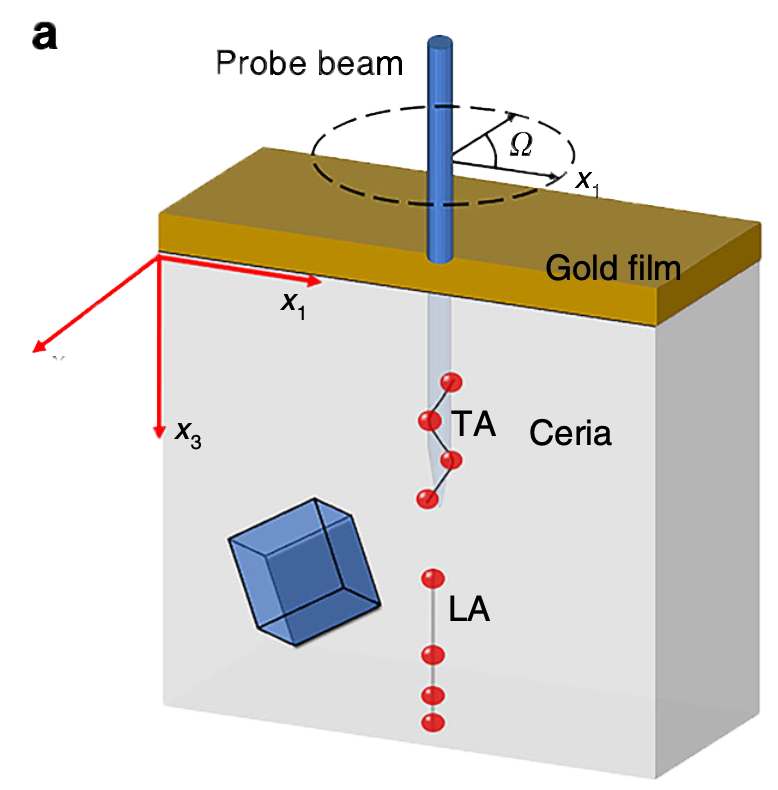
Imaging grain microstructure in a model ceramic energy material with optically generated coherent acoustic phonons
Nature Communications 11(1): 1597 (2020)
This paper extends a laser-based pump-probe method using optically generated acoustic phonons to image ceria grain microstructure, revealing crystallite orientation through probe polarization and highlighting its potential for advanced depth-resolved characterization of ceramics.
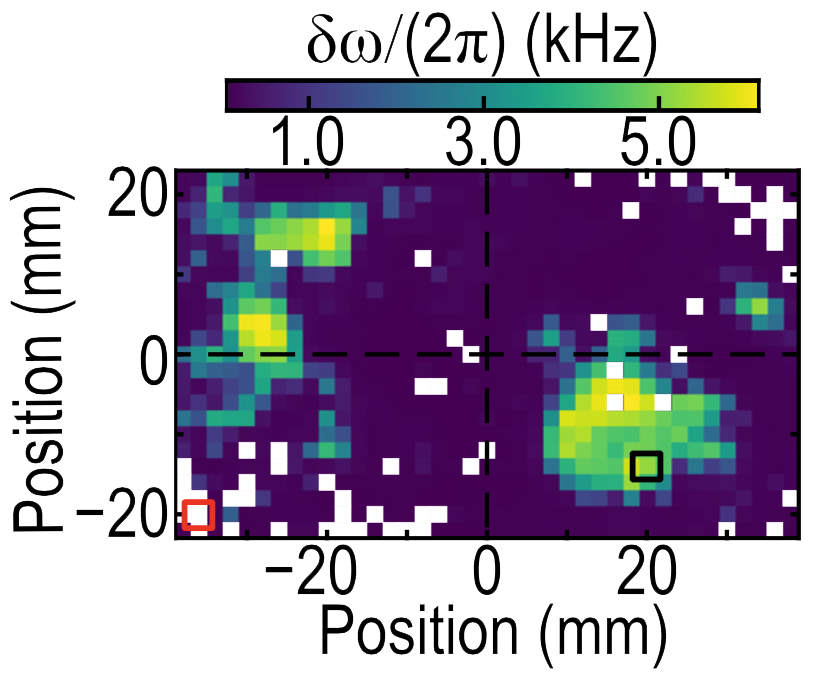
Nondestructive evaluation of structural adhesive bonding using the attenuation of zero-group-velocity Lamb modes
Applied Physics Letters 116(10): 104101 (2020)
This paper demonstrates a laser-ultrasonic method using zero-group velocity (ZGV) resonances for nondestructive evaluation of adhesive bonding in trilayer aluminum/epoxy assemblies, showing that resonance attenuation metrics can quantitatively distinguish bond quality and enable 2D imaging of defects.
2019
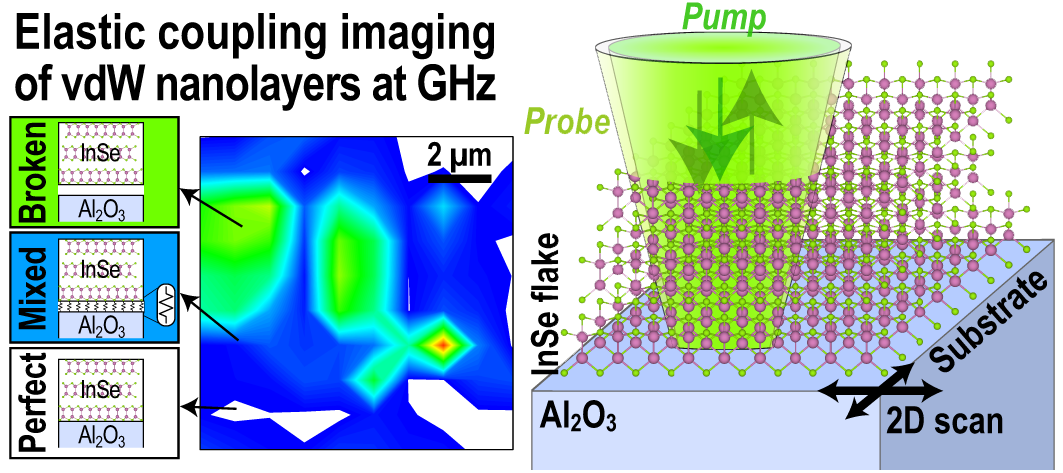
High-Frequency Elastic Coupling at the Interface of van der Waals Nanolayers Imaged by Picosecond Ultrasonics
ACS Nano 13(10): 11530-11537 (2019)
This paper uses picosecond ultrasonics to probe high-frequency elastic properties of van der Waals layers and heterostructures, revealing strong interlayer coupling, weak substrate coupling, and enabling imaging of both intact and defective interfaces over a wide frequency range up to tens of GHz.
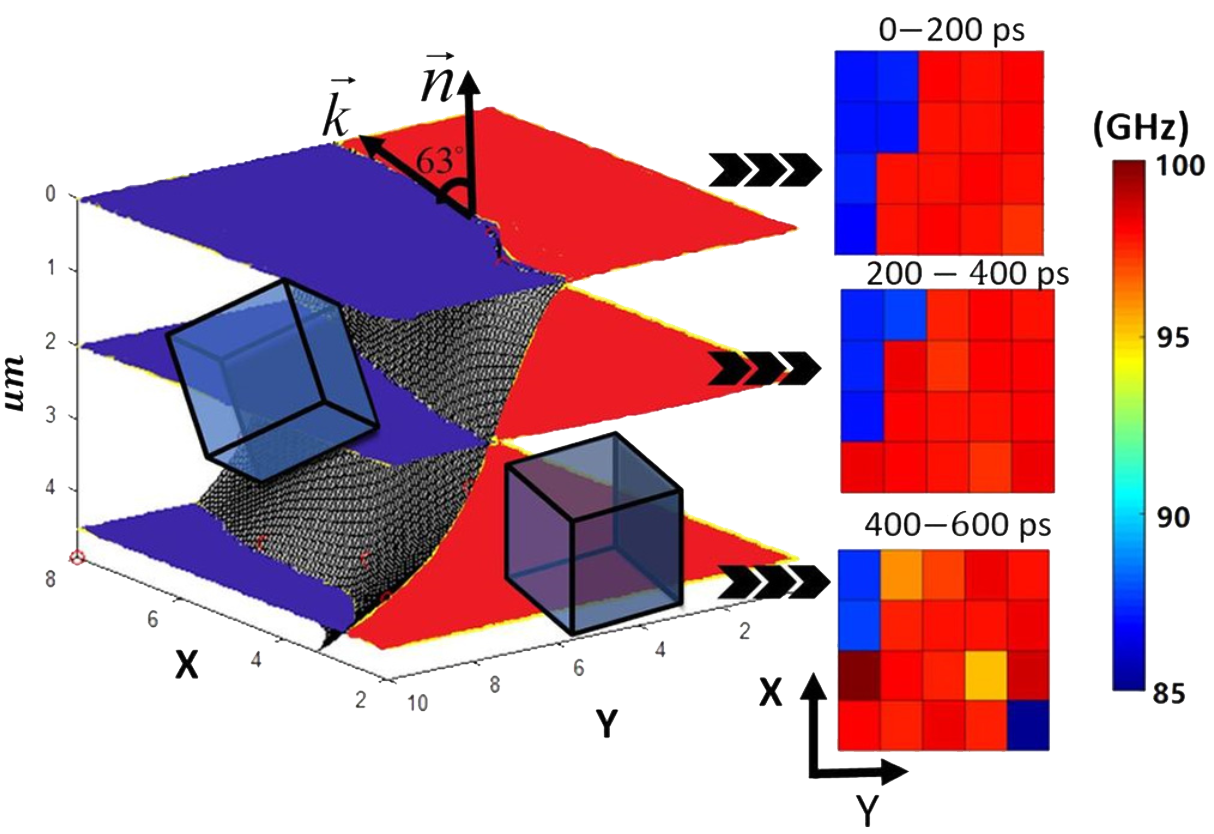
Nondestructive characterization of polycrystalline 3D microstructure with time-domain Brillouin scattering
Scripta Materialia 166: 34-38 (2019)
This paper demonstrates that gigahertz ultrasonic waves combined with time-domain Brillouin scattering can noninvasively image polycrystalline ceria microstructure, resolve subsurface grain boundaries, and provide 3D structural characterization comparable to electron backscatter diffraction.
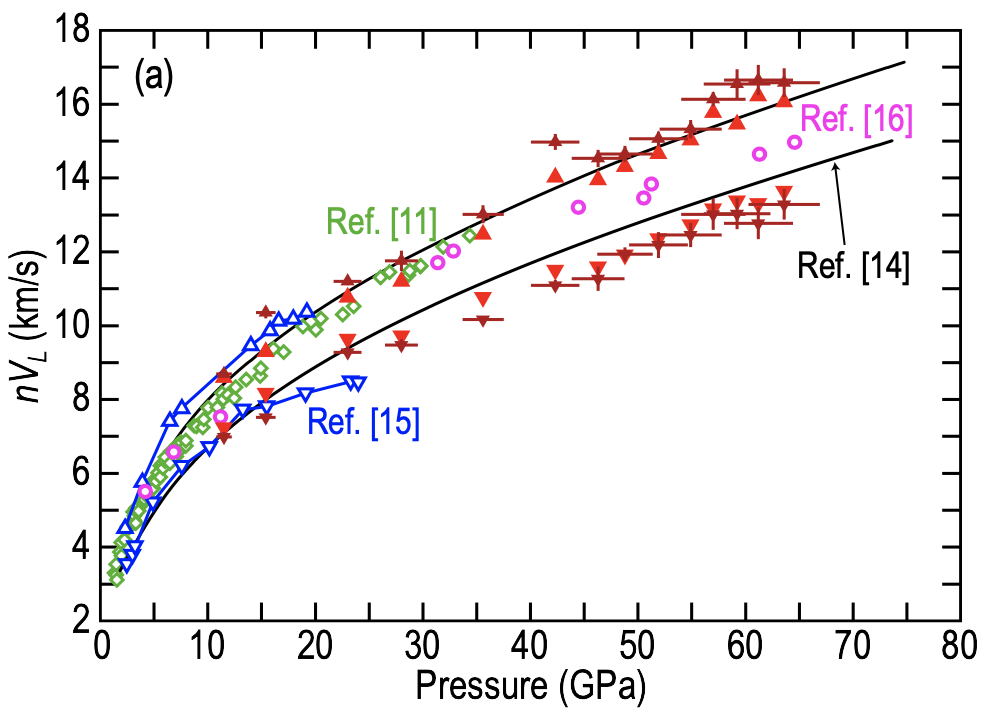
Elastic anisotropy and single-crystal moduli of solid argon up to 64 GPa from time-domain Brillouin scattering
Physical Review B 99(22): 224102 (2019)
This paper determines high-pressure (12–64 GPa) elastic properties of fcc solid argon using time-domain Brillouin scattering and ab initio calculations, revealing stronger elastic anisotropy than previously reported, deriving shear modulus pressure dependence, and showing a smaller Cauchy discrepancy variation with pressure.
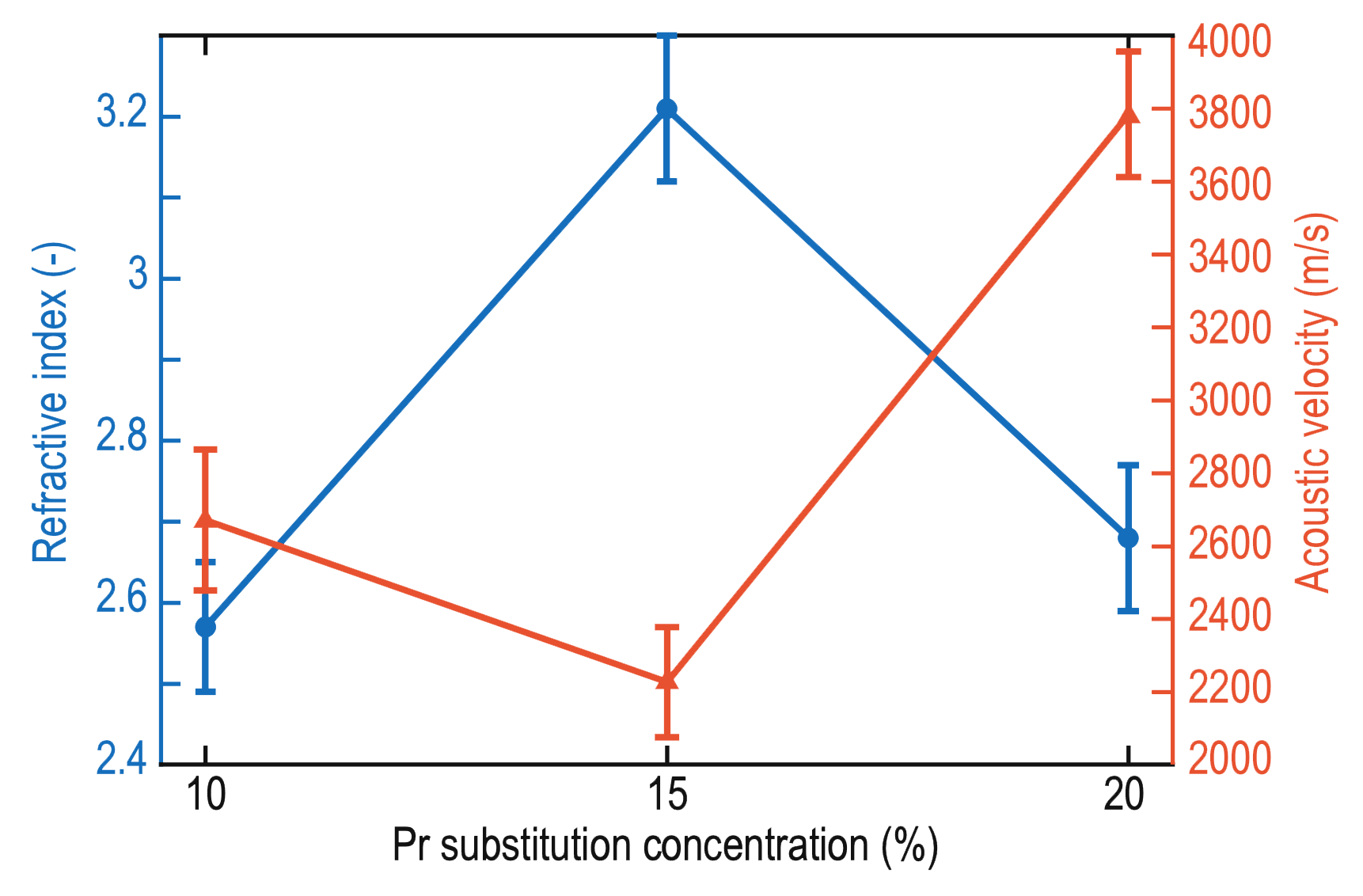
Evaluation of the Structural Phase Transition in Multiferroic (Bi1−x Prx)(Fe0.95 Mn0.05)O3 Thin Films by A Multi-Technique Approach Including Picosecond Laser Ultrasonics
Applied Sciences 9(4): 736 (2019)
This paper applies time-domain Brillouin scattering to study Pr-substituted (Bi1-x Prx)(Fe0.95 Mn0.05)O3 thin films, showing that the rhombohedral-to-tetragonal phase transition around 15% Pr correlates with maxima in optical dielectric constant, magnetization, polarization, and a minimum in longitudinal sound velocity.
2018
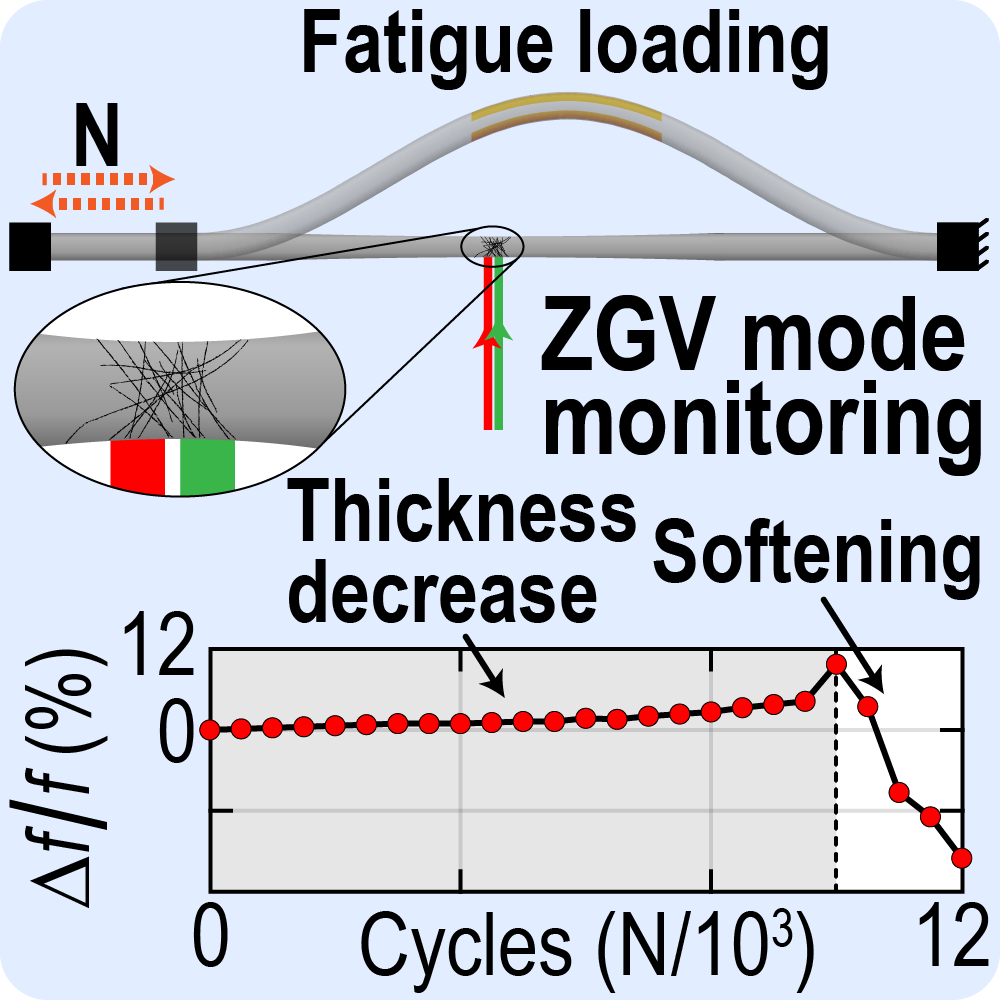
Characterization of Progressive Fatigue Damage in Solid Plates by Laser Ultrasonic Monitoring of Zero-Group-Velocity Lamb Modes
Physical Review Applied 9(6): 061001 (2018)
This paper demonstrates that laser-generated zero-group velocity (ZGV) Lamb modes can nondestructively track progressive fatigue in aluminum plates, with frequency shifts correlating to fatigue stages and normalized lifetime, enabling damage detection and fatigue-life prediction.
2017
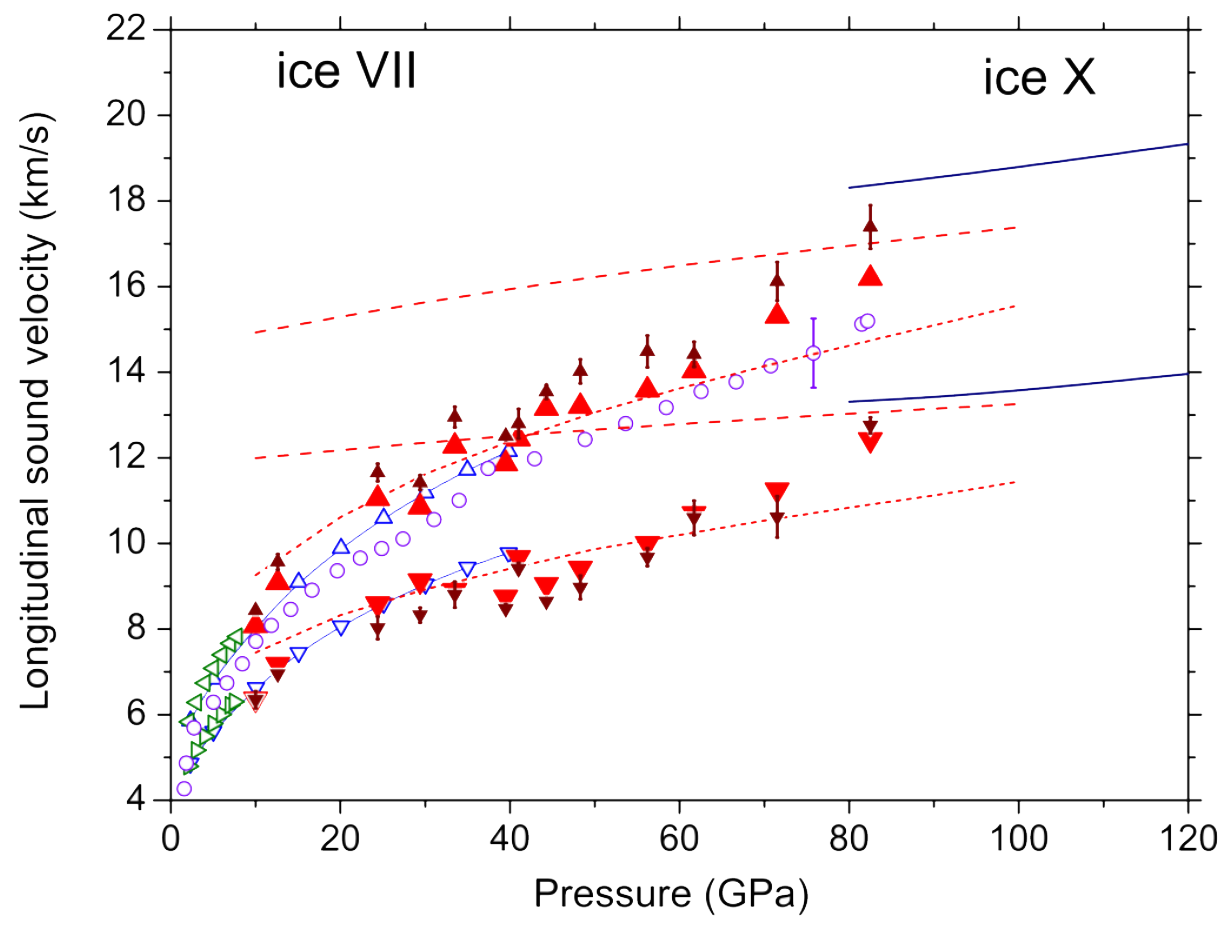
Longitudinal sound velocities, elastic anisotropy, and phase transition of high-pressure cubic H2O ice to 82 GPa
Physical Review B 96(13): 134122 (2017)
This paper investigates elastic properties and high-pressure phase transitions of cubic water ice up to 82 GPa using time-domain Brillouin scattering, revealing elastic anisotropy, evaluating sound velocities and moduli, and suggesting the ice VII to ice X transition occurs above 80 GPa.
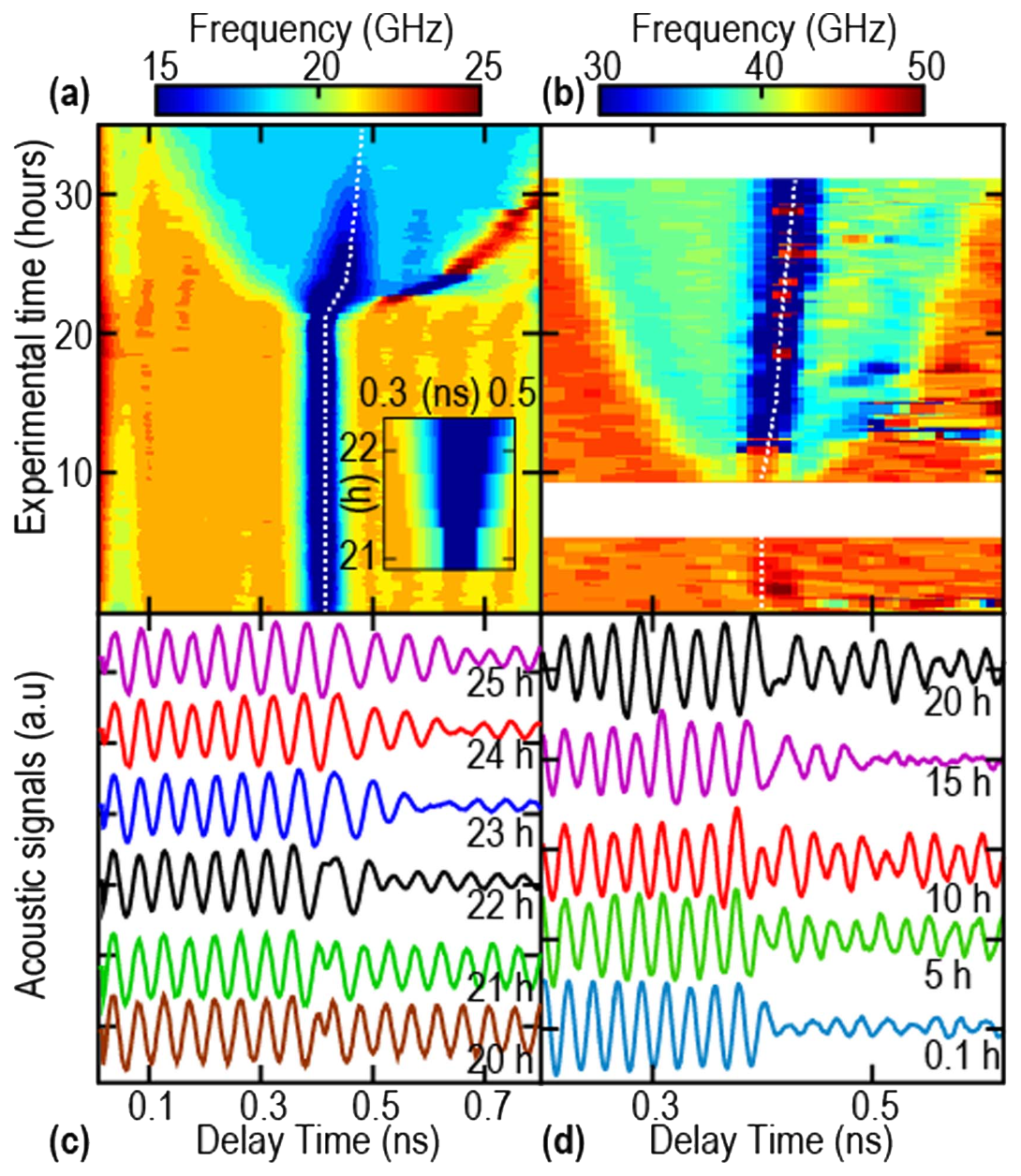
In situ imaging of the dynamics of photo-induced structural phase transition at high pressures by picosecond acoustic interferometry
New Journal of Physics 19(5): 053026 (2017)
This paper uses picosecond acoustic interferometry to monitor the VII–VI ice phase transition at 2.15 GPa, extracting sound velocity and refractive index ratios, distinguishing phase change from recrystallization, and mapping transition dynamics at the diamond/ice interface.
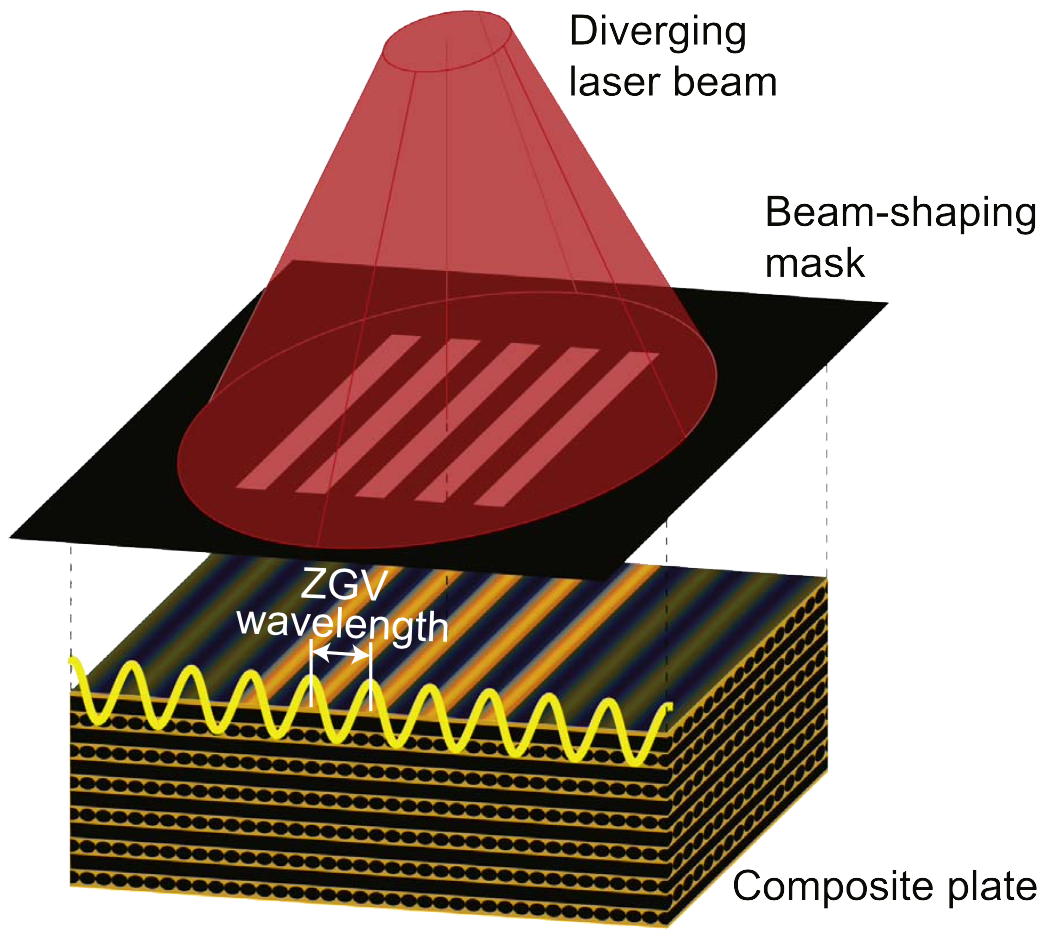
Beam shaping to enhance zero group velocity Lamb mode generation in a composite plate and nondestructive testing application
NDT&E International 85: 13-19 (2017)
This paper demonstrates that laser beam shaping can enhance zero-groupe velocity (ZGV) Lamb modes, validating the method on aluminum and composite plates, and enabling detection of subsurface flaws through scanning of healthy and defective regions.
2016
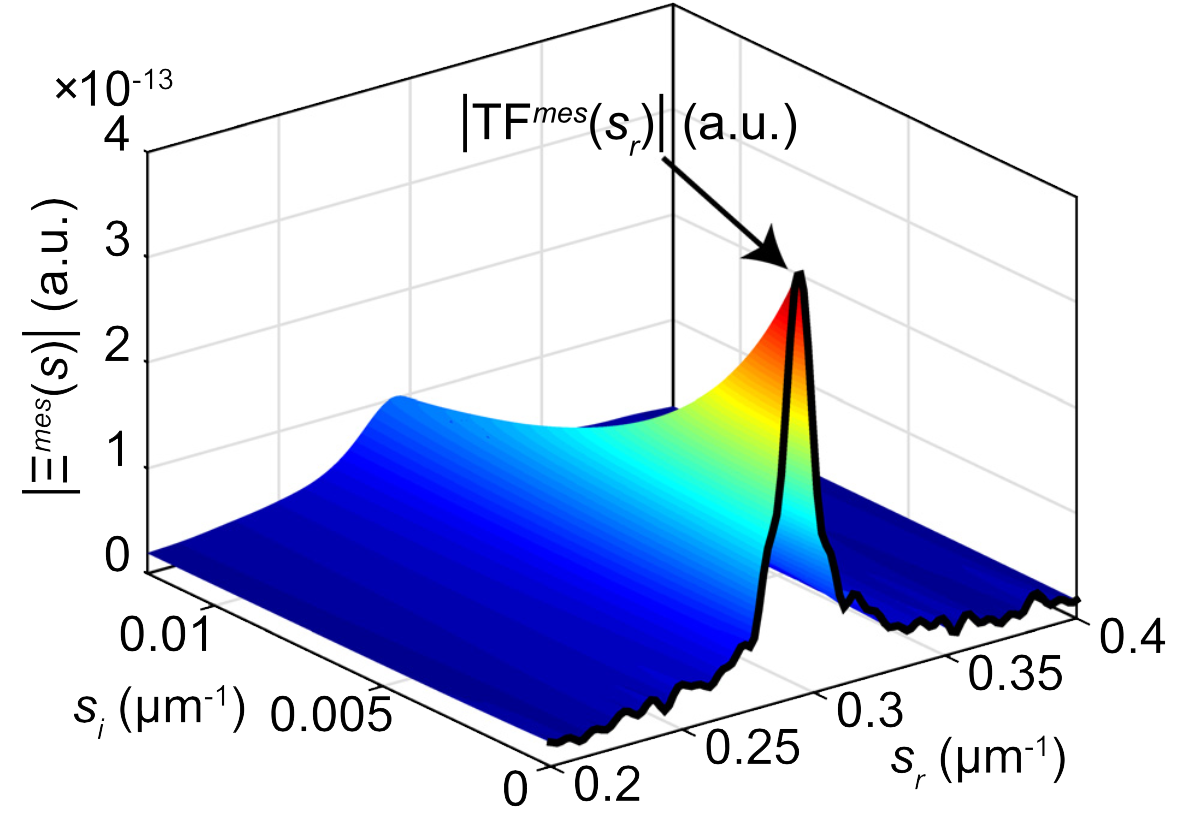
Spatial Laplace transform for complex wavenumber recovery and its application to the analysis of attenuation in acoustic systems
Journal of Applied Physics 120(13): 135107 (2016)
This paper introduces a method using spatial Laplace transforms of spatiotemporal wave measurements to recover complex wavenumbers, providing insights into acoustic attenuation and showcased across kHz to hundreds of MHz in Lamb-like modes in air-saturated porous materials, Lamb modes in Duralumin plates, and surface acoustic waves in microscale granular crystals.
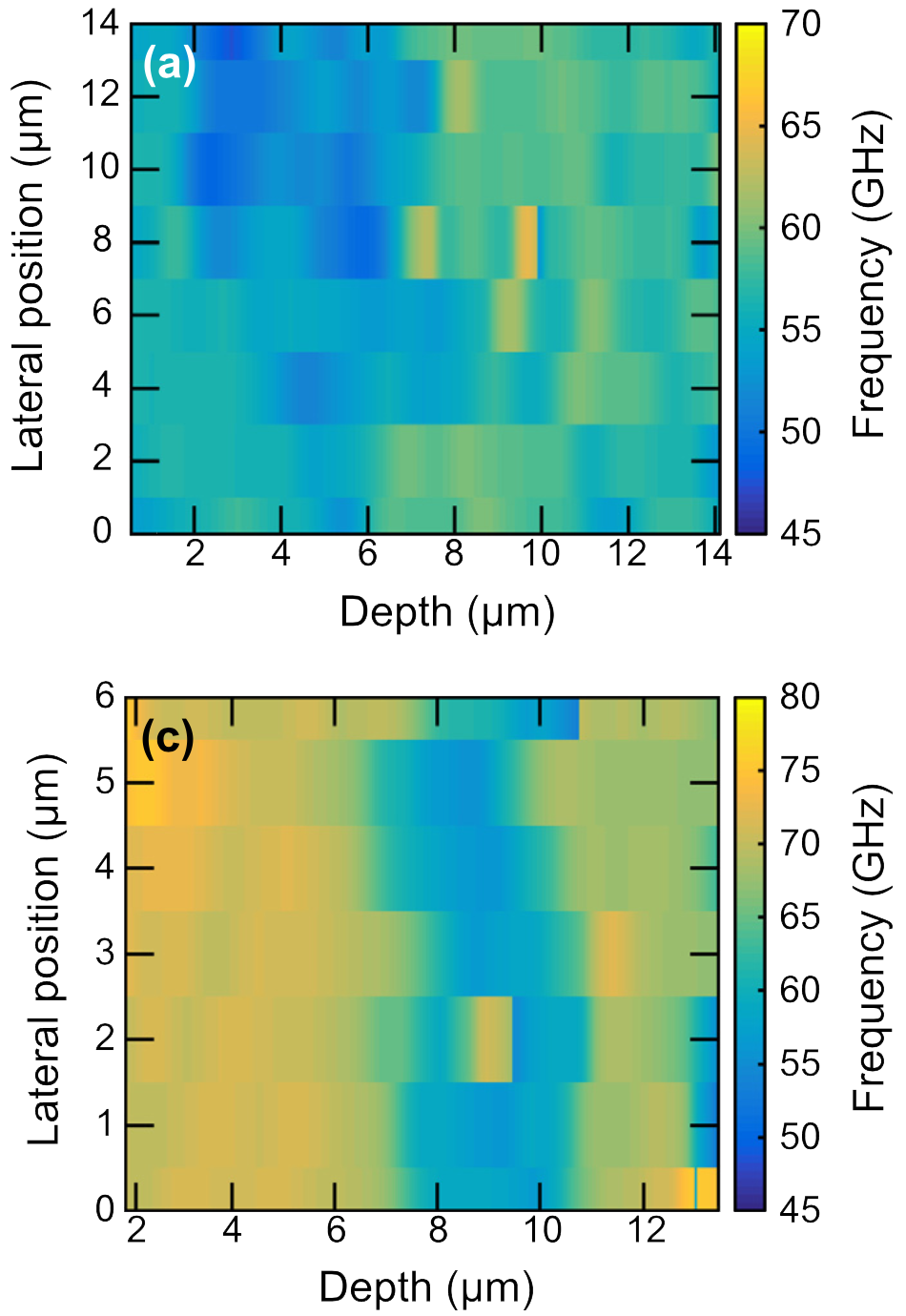
Picosecond laser ultrasonics for imaging of transparent polycrystalline materials compressed to megabar pressures
Ultrasonics 69: 259-267 (2016)
This paper demonstrates that picosecond laser ultrasonics can generate and detect coherent nanometric acoustic pulses inside transparent materials, enabling imaging of internal inhomogeneities and revealing significant texturing in polycrystalline anisotropic samples under high pressure.
2015
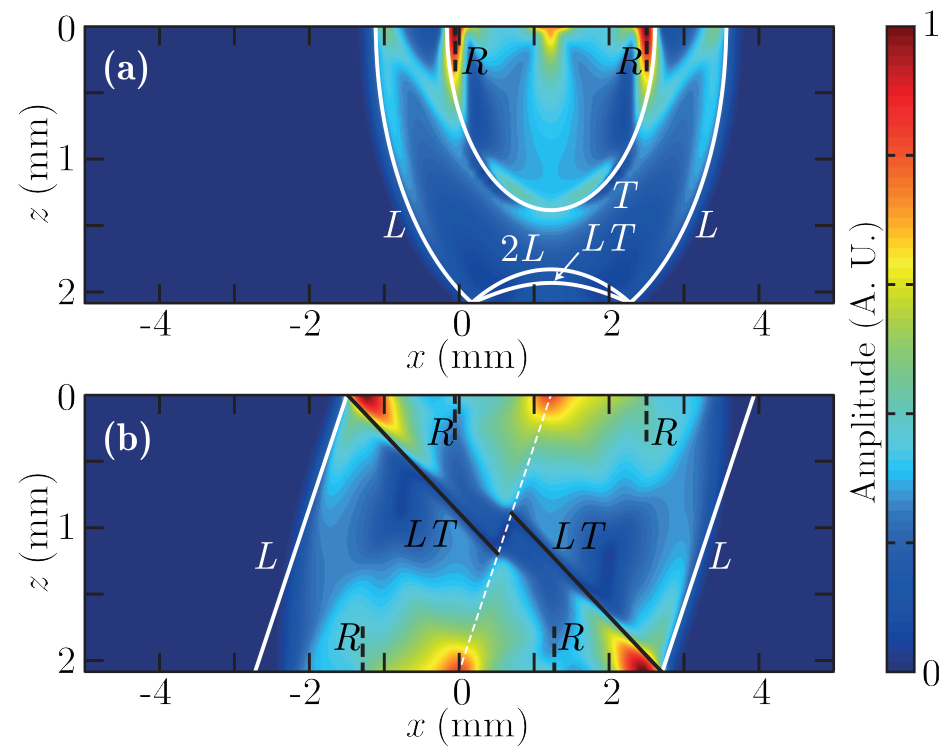
Effect of refracted light distribution on the photoelastic generation of zero-group velocity Lamb modes in optically low-absorbing plates
The Journal of the Acoustical Society of America 138(6): 3522-3530 (2015)
This paper theoretically and analytically investigates how light refraction affects laser generation of zero-group velocity (ZGV) Lamb modes in low-optical-absorption materials like glass, showing that a tilted volume source enables non-contact measurement of Poisson’s ratio.
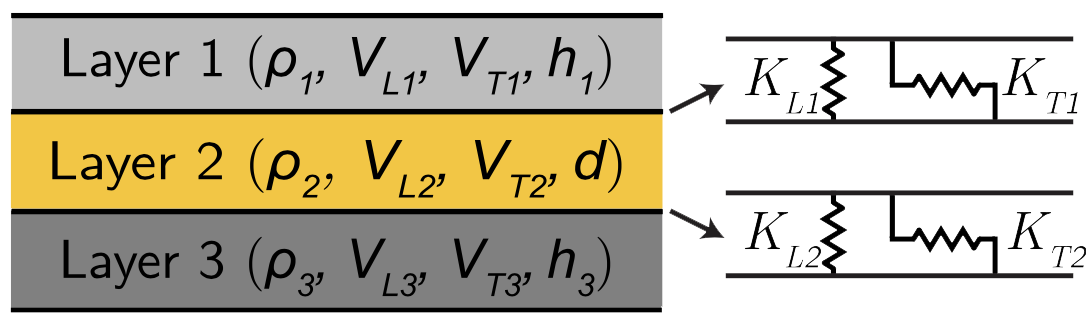
Investigation of interfacial stiffnesses of a tri-layer using Zero-Group Velocity Lamb modes
The Journal of the Acoustical Society of America 138(5): 3202-3209 (2015)
This paper investigates Zero-Group Velocity Lamb waves in a bonded Duralumin/epoxy/Duralumin structure, showing that combining theoretical dispersion analysis with laser ultrasonic experiments enables accurate evaluation of interfacial stiffnesses and local bonding properties.
2013
Acoustic beam steering by light refraction: Illustration with directivity patterns of a tilted volume photoacoustic source
The Journal of the Acoustical Society of America 134(6): 4381-4392 (2013)
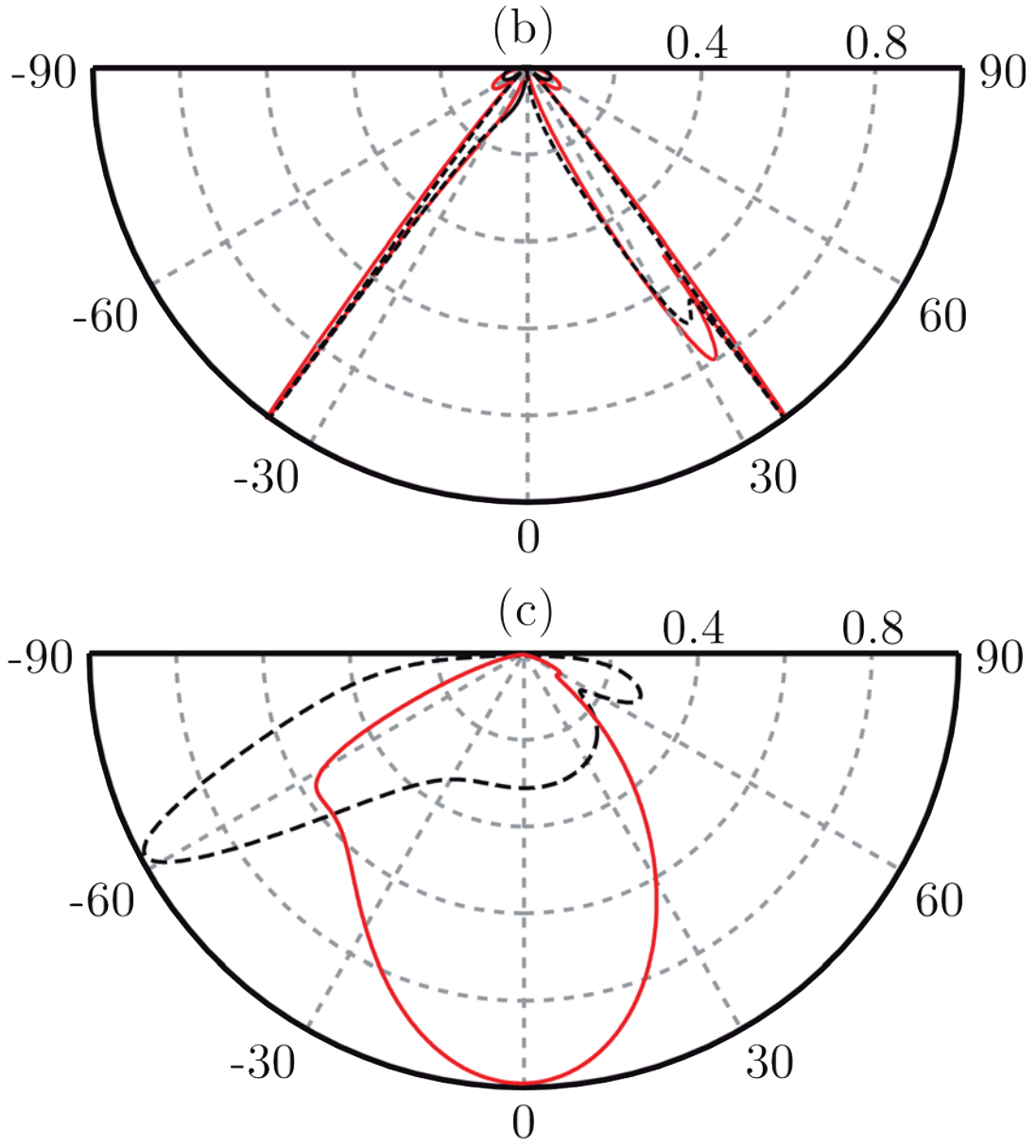
The paper shows that an inclined laser absorbed in an elastic half-space creates a tunable volume thermoelastic source whose broken symmetry modifies compressional and shear wave directivity patterns, allowing enhancement and steering of specific bulk acoustic modes through light refraction.
2011
Effect of laser beam incidence angle on the thermoelastic generation in semi-transparent materials
The Journal of the Acoustical Society of America 130(6): 3691-3697 (2011)
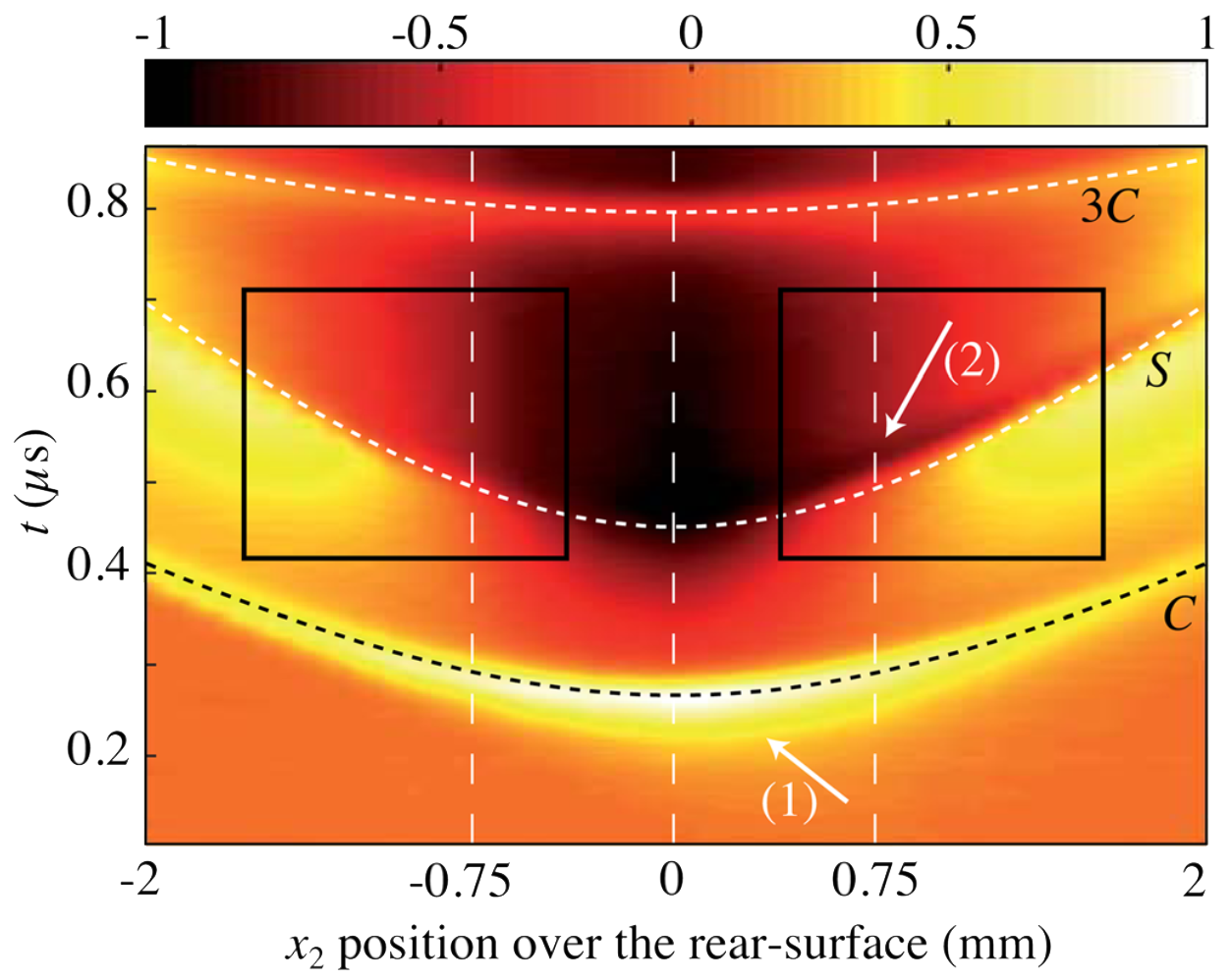
This paper shows that when a laser beam enters a semi-transparent material at an oblique angle, the resulting asymmetric thermoelastic source significantly alters bulk wave generation. It enhances shear waves, alters compressional waves, and produces asymmetric acoustic behavior confirmed by both experiments and modeling.
Oblique laser incidence to select laser-generated acoustic modes
Journal of Physics: Conference Series 278: 012030 (2011)
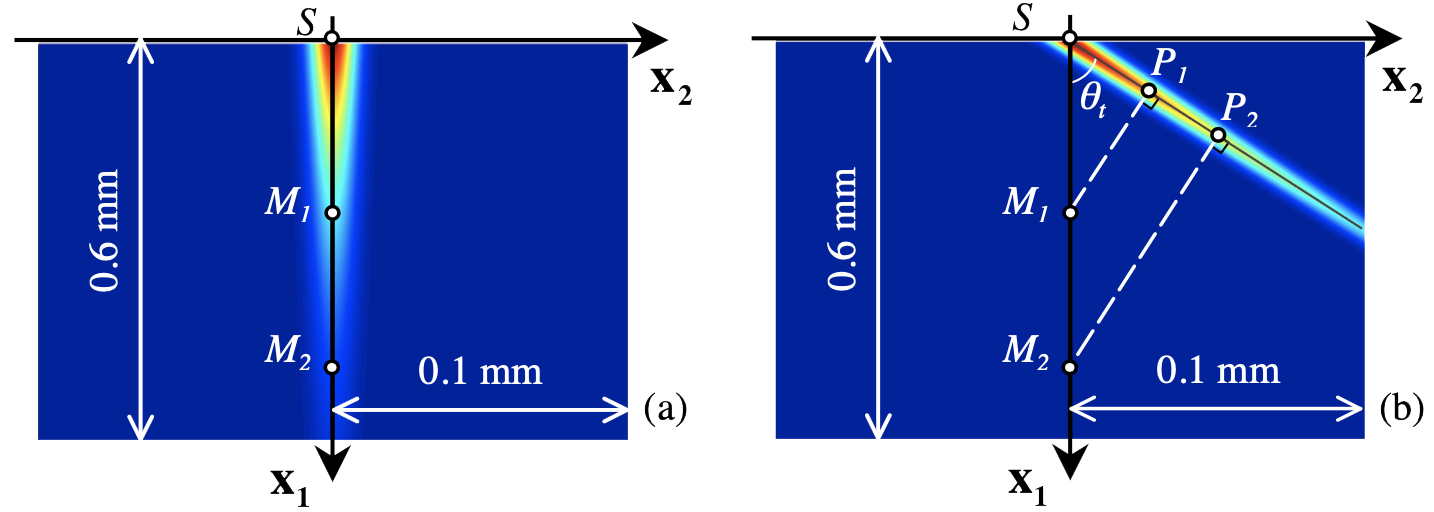
The paper demonstrates that when a laser enters a material at an oblique angle, the resulting asymmetrical optical penetration enhances certain bulk acoustic modes, especially increasing shear wave amplitude depending on the detection position.